Blog › ADU
Understanding ADU Regulations in Glendale: Key Insights for Homeowners
By Gilad Segev, Founder & Licensed General Contractor · · Updated
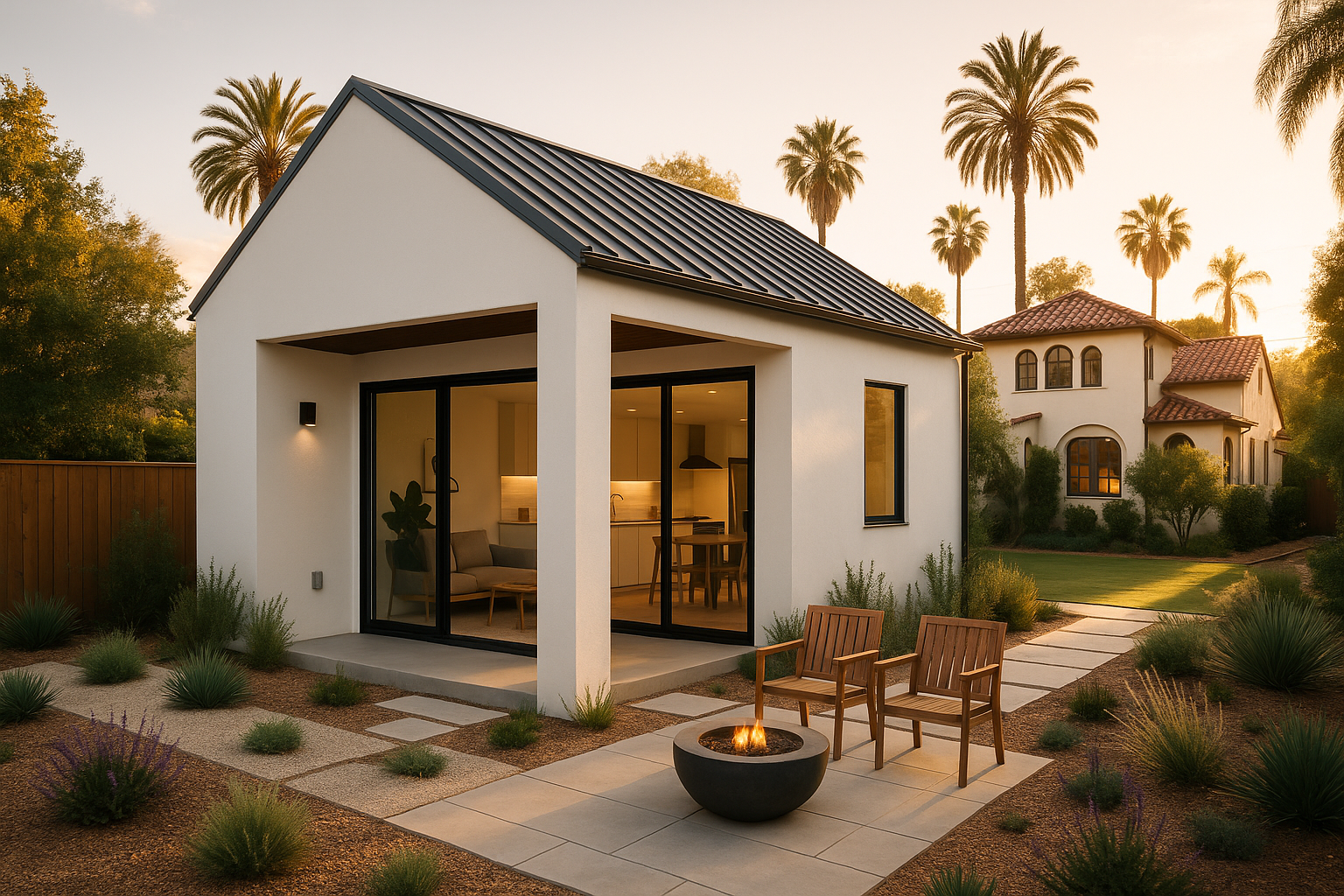
Understanding ADU Regulations in Glendale: What You Need to Know is a critical topic for homeowners and property investors looking to maximize the potential of their real estate in this Los Angeles County city. Accessory Dwelling Units, or ADUs, are secondary housing units built on the same lot as a primary residence. These units play a vital role in addressing California's housing shortage by providing additional living spaces for family members, renters, or personal use. However, navigating through the complex regulations in Glendale can be daunting without the right guidance.
In this comprehensive guide, we'll explore the essential aspects of Understanding ADU Regulations in Glendale: What You Need to Know, including zoning laws, permitting processes, design requirements, and financing options. Whether you're considering a detached ADU in Pacific Palisades or a garage conversion in Culver City, this article will provide you with the knowledge to move forward confidently.
What Are the Current ADU Regulations in Glendale?
ADU regulations in Glendale are defined as the specific zoning, building, and safety requirements that homeowners must follow to legally build and operate an accessory dwelling unit. These regulations are influenced by California state laws, including Senate Bill 9 (SB 9) and Assembly Bill 68 (AB 68), which aim to simplify the ADU approval process across the state. However, Glendale has its own set of localized rules that homeowners need to understand.
Zoning Laws and Property Types
In Glendale, ADUs are allowed on properties zoned for single-family or multi-family use, provided they meet specific criteria. According to Glendale's zoning code, properties must have sufficient lot size to accommodate an ADU while adhering to setback requirements. For example, rear setbacks typically range from 4–5 feet, while side setbacks must be at least 4 feet. These regulations differ slightly compared to neighboring cities like Pasadena, which may require larger setbacks.
Industry data shows that the maximum size for an ADU in Glendale is up to 1,200 square feet for detached units, while attached ADUs are limited to 50% of the primary residence's square footage. However, exceptions may apply for properties located in historic districts or areas with environmental restrictions.
Height Limits and Parking Requirements
Building codes in Glendale specify that detached ADUs cannot exceed a height of 16 feet, although two-story ADUs may be permitted under certain conditions. Parking requirements also play a significant role in planning an ADU. For most properties, one parking space per ADU is required unless the property is located within ½ mile of public transit, in which case parking requirements may be waived.
To ensure compliance with these zoning laws, Oria Builders offers design and as-built services that align with Glendale's specific regulations. Our team can help you create a plan that meets these standards while maximizing the use of your property.
How Do I Apply for an ADU Permit in Glendale?
The permitting process for ADUs in Glendale refers to the series of steps homeowners must complete to obtain legal approval for constructing an accessory dwelling unit. This process ensures that the ADU complies with all local building codes, zoning laws, and safety regulations.
Step-by-Step Permitting Process
- Preliminary Research: Before submitting an application, homeowners should review Glendale's zoning and building requirements to determine feasibility. Oria Builders offers a free estimate service to help you assess your property's potential.
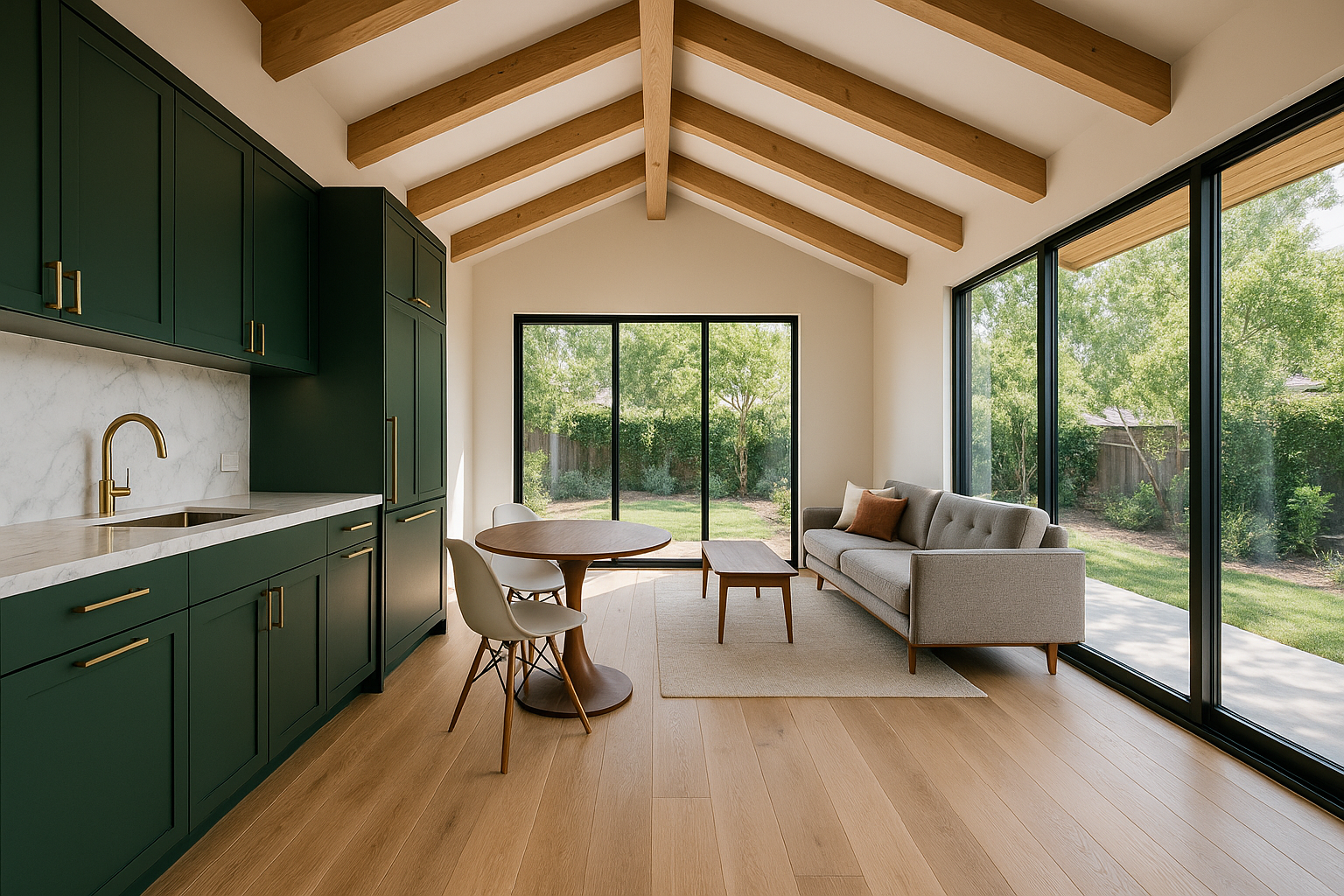
Interior of a detached ADU in Glendale, California, with vaulted ceilings, white oak flooring, and modern kitchenette design. — AI-generated illustration, not a photo of an Oria Builders project
- Design and Planning: Create detailed plans for your ADU, including architectural drawings, site plans, and engineering reports. Our design and as-built services streamline this step.
- Submit an Application: File your ADU permit application with the Glendale Building & Safety Division, including all required documents and fees. Permit fees typically range from $3,000 to $8,000, depending on the complexity of the project.
- Plan Review: Glendale officials will review your plans for compliance with local and state regulations, a process that can take 4–6 weeks.
- Schedule Inspections: Once the permit is approved, schedule inspections at various stages of construction to ensure compliance with safety and building standards.
- Final Approval: Upon successful completion of inspections, you'll receive a Certificate of Occupancy.
Common Pitfalls to Avoid
One common issue during the permitting process is failing to account for utility connections. For example, in some Glendale neighborhoods, homeowners may need to upgrade existing water, sewer, or electrical systems to accommodate the additional demand of an ADU. Experts recommend consulting with a licensed contractor, like Oria Builders, early in the process to avoid costly delays.
What Types of ADUs Can I Build on My Property?
Understanding the types of ADUs allowed in Glendale is a crucial part of planning your project. ADUs are classified into several categories, each with its own set of regulations and benefits. These include detached units, attached units, garage conversions, and junior accessory dwelling units (JADUs).
Detached and Attached ADUs
Detached ADUs are standalone structures separate from the main house. These are ideal for homeowners with larger lots in areas like Brentwood or Beverly Hills, as they offer maximum privacy and design flexibility. Detached ADUs in Glendale can range from 400 to 1,200 square feet, depending on lot size and zoning.
Attached ADUs, on the other hand, are connected to the primary residence. These units are typically limited to 50% of the home’s existing square footage but can be a cost-effective option compared to building a detached unit.
Garage Conversions and JADUs
Garage conversions are one of the most popular ADU types in Glendale due to their affordability and quick turnaround time. According to industry data, garage conversions typically cost between $50,000 and $100,000, significantly less than building a new structure. Junior ADUs (JADUs) are smaller units, up to 500 square feet, created by repurposing space within the existing home, such as a guest bedroom or office.
If you're unsure which type of ADU is best for your property, our ADU construction services can guide you through the decision-making process.
What Are the Costs Associated with Building an ADU in Glendale?
The cost of building an ADU in Glendale is influenced by factors such as size, design, materials, and utility upgrades. On average, constructing an ADU in Glendale costs between $150,000 and $300,000, though smaller projects like garage conversions may cost less.
Key Cost Components
- Construction Costs: Building a detached ADU usually ranges from $200–$350 per square foot, while attached units may cost slightly less.
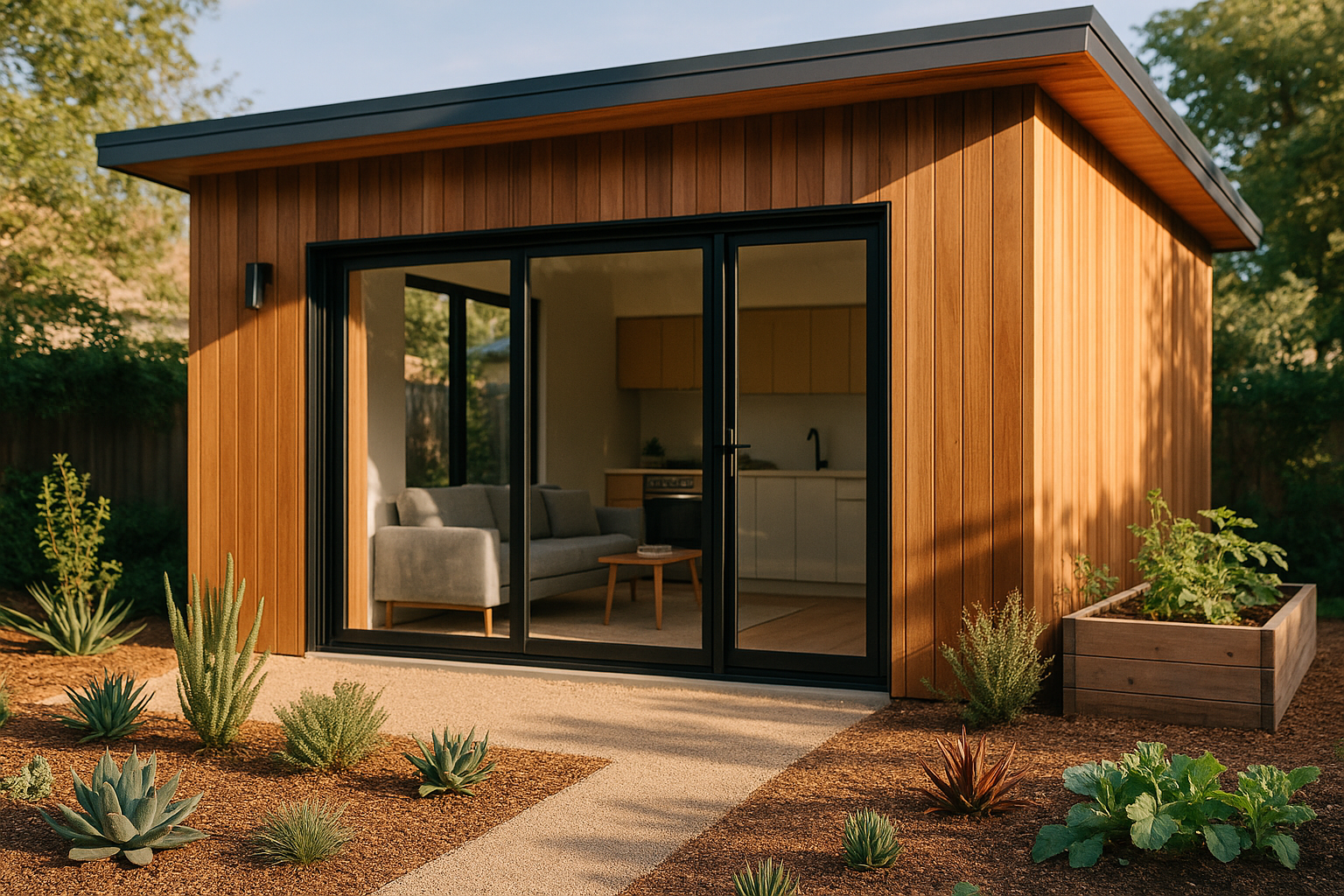
Exterior of an ADU garage conversion in Glendale, California, with cedar siding, sliding glass doors, and drought-resistant landscaping. — AI-generated illustration, not a photo of an Oria Builders project
- Permitting Fees: Expect to pay $3,000 to $8,000 in application and review fees.
- Utility Upgrades: Connecting to water, sewer, and electrical systems can add $5,000 to $15,000 to your project budget.
- Design and Planning: Architectural and engineering services typically cost $5,000 to $10,000, depending on the project's complexity.
Financing Options and Incentives
Financing an ADU project can be achieved through various methods, including home equity loans, construction loans, and cash-out refinancing. Additionally, California offers incentives such as the CalHFA ADU Grant Program, which provides up to $40,000 to help cover pre-development and non-reimbursable costs.
Compared to other Los Angeles County cities like Santa Monica or Burbank, Glendale offers competitive costs and incentives for ADU construction. To explore financing options tailored to your budget, consider scheduling a consultation with Oria Builders today.
(End of first half. Second half, including additional sections and FAQs, will follow separately.)
What Are the Timelines for Building an ADU in Glendale?
The timeline for building an ADU (Accessory Dwelling Unit) is defined as the duration from the initial planning phase to the completion of construction. In Glendale, this process typically ranges from 6 to 12 months, depending on factors such as design complexity, permitting requirements, and contractor availability. Compared to full home remodeling projects, ADUs can be completed relatively quickly, making them an attractive option for homeowners seeking additional living space.
Permitting and Approval Timelines
According to Glendale city building codes, the permitting phase can take anywhere from 2 to 4 months. This includes submitting architectural plans, securing zoning approvals, and addressing any necessary revisions. Research shows that working with experienced contractors like Oria Builders can streamline this process, as they are familiar with local regulations and requirements.
Construction Timelines
Once permits are approved, the construction phase is defined as the physical building of the ADU. This phase typically ranges from 4 to 8 months, depending on the size and complexity of the unit. For instance, detached ADUs in Glendale that are larger than 600 sq ft may take longer to complete compared to smaller, attached units. Factors like weather conditions and material availability can also impact the timeline.
Fast-Tracking Your ADU Project
To expedite the process, experts recommend hiring a design-build firm that offers integrated services. This approach, rather than working with separate architects and contractors, minimizes delays and ensures your project stays on track. If you're ready to start your ADU journey, book a consultation with Oria Builders today.
What ROI Can You Expect from an ADU in Glendale?
ROI (Return on Investment) is defined as the financial gain or benefits received compared to the cost of an investment. For homeowners in Glendale, ADUs offer excellent ROI potential, both in terms of property value and rental income. Research shows that adding an ADU can increase property value by 20–30%, depending on the unit's size, design, and location within Southern California.
Rental Income Potential
Studies show that rental rates for ADUs in Glendale typically range from $1,800 to $2,500 per month, depending on the unit's features and proximity to areas like Pacific Palisades, Venice, and Burbank. Compared to traditional rental units, ADUs offer unique affordability for tenants, while still delivering high yields for property owners. This makes them an excellent option for generating passive income.
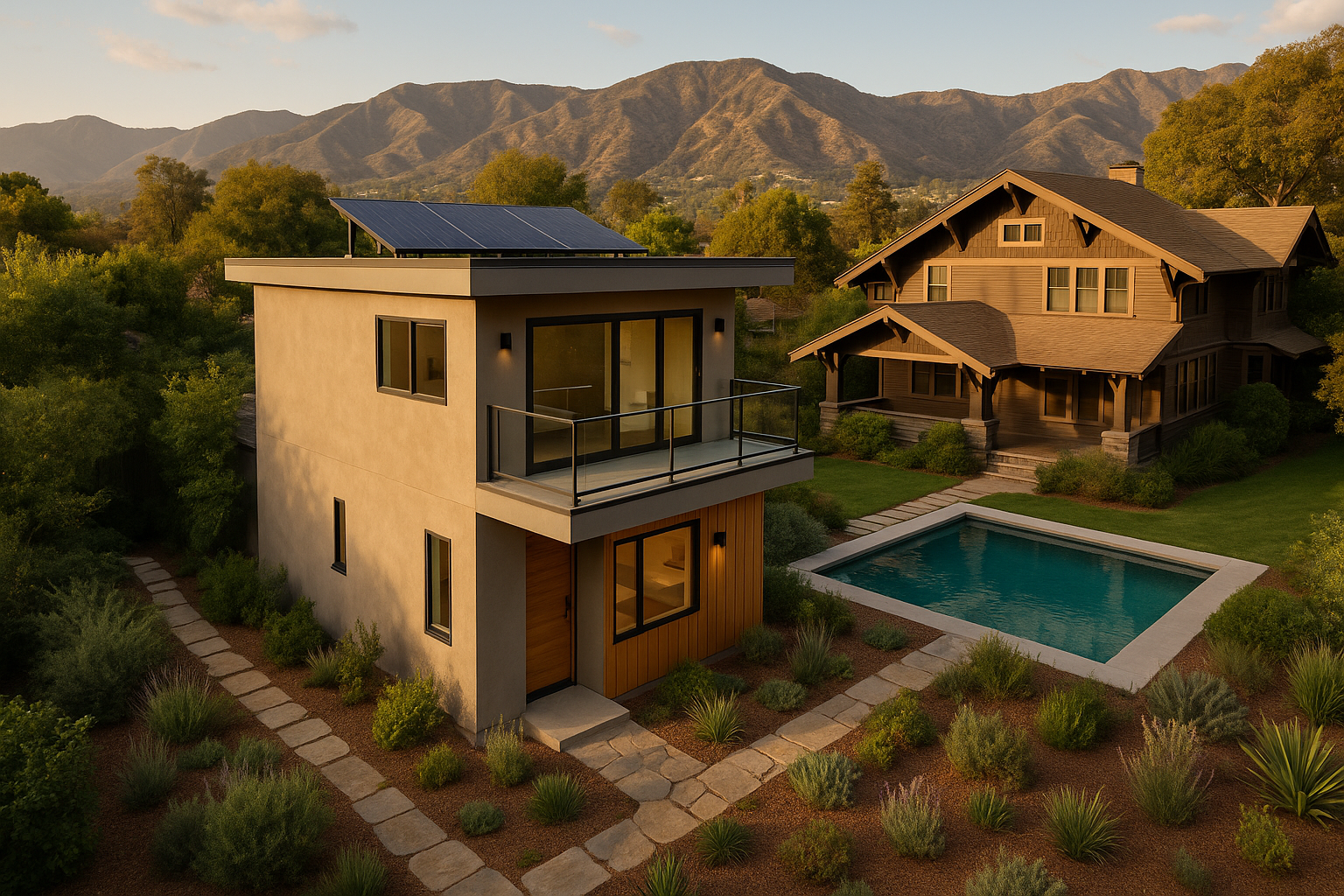
Aerial view of a two-story ADU in Glendale, California, with private entry, balcony, and solar panels, situated behind a Craftsman-style home. — AI-generated illustration, not a photo of an Oria Builders project
Long-Term Property Value
Unlike other home additions, ADUs are defined as independent dwelling units, which significantly enhance a property's functionality and market appeal. According to industry data, homeowners in Glendale who invest in ADUs often see a property value increase of $100,000 to $300,000. This level of ROI is particularly strong compared to other remodeling projects.
Financial Best Practices
Experts recommend exploring Glendale-specific financing options, such as home equity loans or ADU-specific grants, to maximize ROI. Additionally, partnering with seasoned professionals like Oria Builders ensures cost-effective construction and design solutions. For personalized advice, book a consultation with our team today.
What Are the Best Practices for Building an ADU in Glendale?
Best practices for building an ADU are defined as tried-and-true strategies that ensure compliance, efficiency, and optimal results. In Glendale, adhering to local regulations and prioritizing high-quality construction are essential for a successful project.
Understand Glendale’s ADU Regulations
Before beginning your ADU project, research Glendale’s zoning codes and building requirements. For example, detached ADUs must be set back at least 4 feet from property lines, and the maximum allowable size typically ranges from 600 to 1,200 sq ft. Building codes also require that ADUs include separate utility hookups compared to the main home.
Work with Experienced Professionals
Hiring a contractor who specializes in ADUs, such as Oria Builders, ensures your project meets all legal and structural standards. Research shows that experienced professionals can help navigate challenges, such as securing permits and coordinating utilities, rather than leaving homeowners to tackle these issues alone.
Design for Functionality
ADUs in Glendale should be designed with long-term usability in mind. Experts recommend including features like energy-efficient appliances, ample storage, and flexible layouts to maximize the unit’s appeal. For outdoor spaces in areas like Brentwood or Mar Vista, consider landscaping enhancements to complement the ADU's aesthetic.
By following these best practices, homeowners in Glendale can enjoy a seamless ADU construction process and achieve lasting value. Ready to get started? Book a consultation with Oria Builders to explore your options.
How Do You Get Started with Understanding ADU Regulations in Glendale: What You Need to Know?
Getting started with ADU regulations in Glendale refers to the initial steps homeowners take to prepare for their project. This process involves research, professional guidance, and careful planning.
Research Glendale’s ADU Guidelines
Begin by reviewing Glendale’s specific zoning codes and requirements. For example, ADUs must adhere to parking regulations and setback rules. Understanding these foundational elements ensures your project complies with local laws.Set Your Budget
Establish a realistic budget that includes permitting fees, construction costs, and any additional expenses. In Glendale, ADU costs typically range from $150,000 to $300,000, depending on size and design.Hire a Professional Contractor
Partner with a licensed contractor experienced in ADU construction. Experts recommend working with design-build firms, like Oria Builders, to streamline both the design and construction phases.Secure Financing
Explore financing options, such as home equity loans or state grants for ADUs in Southern California. Compared to traditional loans, these options often offer lower interest rates and higher flexibility.Develop Your Design Plans
Work with your contractor to create detailed architectural plans. Ensure the design meets Glendale’s building codes and aligns with your vision for the unit.Submit Permit Applications
Submit your plans to Glendale’s city planning department for approval. Be prepared to address any revisions required during the review process. Once permits are secured, construction can begin.
By following these steps, you’ll be well-prepared to navigate ADU regulations in Glendale. For expert guidance, book a consultation with Oria Builders today.
Frequently Asked Questions
What is an ADU?
An ADU (Accessory Dwelling Unit) is a secondary housing unit built on a single-family property. It can be detached, attached, or converted from existing spaces like garages.
How much does it cost to build an ADU in Glendale?
ADU construction in Glendale typically ranges from $150,000 to $300,000. Costs vary based on size, design, and materials used.
How long does it take to build an ADU?
The timeline for ADU construction in Glendale is usually 6 to 12 months. This includes permitting, design, and construction phases.
Can I rent out my ADU in Glendale?
Yes, ADUs in Glendale can be rented out legally. Rental rates typically range from $1,800 to $2,500 per month, depending on the unit's features and location.
What are Glendale’s setback requirements for ADUs?
Detached ADUs in Glendale must be set back at least 4 feet from property lines. Attached ADUs may have different requirements based on zoning.
Are ADUs subject to separate utility hookups?
Yes, Glendale building codes require ADUs to have separate utility hookups, including water, electricity, and gas connections.
What financing options are available for ADUs in Glendale?
Home equity loans, state grants, and specialized ADU financing programs are commonly used by Glendale homeowners. These options offer flexibility compared to traditional loans.
Do I need a permit to build an ADU in Glendale?
Yes, permits are required for ADU construction in Glendale. The permitting process includes zoning approval, plan reviews, and building inspections.
Ready to Build Your ADU in Glendale?
Understanding ADU Regulations in Glendale: What You Need to Know is essential for ensuring a successful project. Whether you're looking to increase property value or generate rental income, Oria Builders can help you navigate every step of the process. Request a free estimate or book a consultation today to bring your vision to life.
Ready to start your Kitchen Remodeling project in Los Angeles? Get a free consultation with Oria Builders, or try our instant cost estimator to see what your project might cost. Learn more about our Kitchen Remodeling services.
Frequently Asked Questions
What is an Accessory Dwelling Unit (ADU)?
An Accessory Dwelling Unit (ADU) is a secondary housing unit located on the same lot as a primary residence. It can be detached, attached, or converted from existing spaces like garages.
Are ADUs allowed in Glendale?
Yes, ADUs are allowed in Glendale, but they must comply with local zoning laws, size restrictions, and permitting requirements.
What are the size limits for an ADU in Glendale?
In Glendale, the size of an ADU typically cannot exceed 1,200 square feet, though specific limits may vary depending on the lot size and zoning regulations.
Do I need a permit to build an ADU in Glendale?
Yes, you need to obtain the necessary permits from Glendale's building department before constructing an ADU.
Can I convert my garage into an ADU in Glendale?
Yes, garage conversions into ADUs are allowed in Glendale, provided they meet building codes and zoning requirements.
Are there parking requirements for ADUs in Glendale?
In most cases, parking requirements for ADUs in Glendale are waived if the property is located near public transit or if the ADU is part of a garage conversion.
How long does it take to get an ADU permit in Glendale?
The timeline for obtaining an ADU permit in Glendale varies, but it typically takes a few months to complete the review and approval process.
Can I rent out my ADU in Glendale?
Yes, homeowners in Glendale can rent out their ADUs, but they must comply with local rental regulations and lease agreements.