Blog › Kitchen
Quartz vs Quartzite Countertops: A Complete Comparison for California Homeowners (2026)
By Gilad Segev, Founder & Licensed General Contractor ·
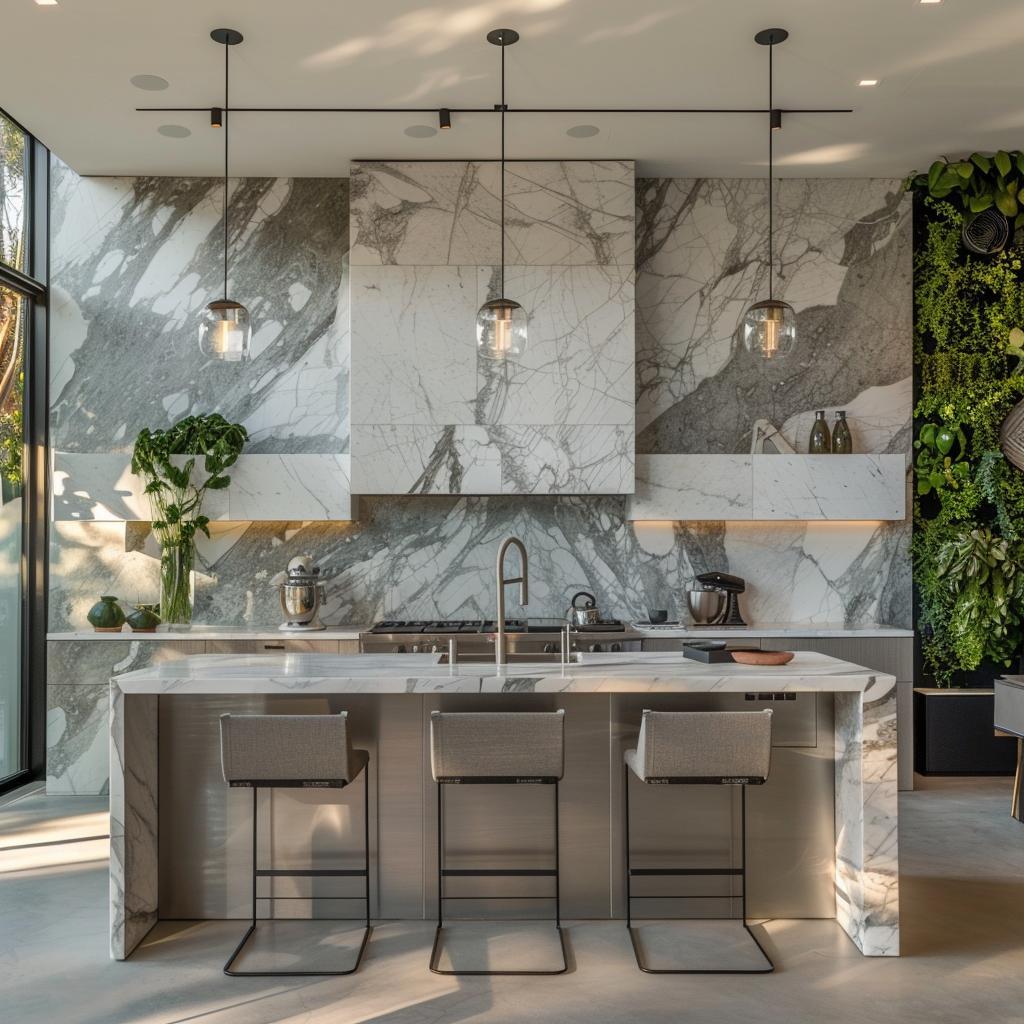
Quartz vs quartzite countertops is a comparison between two very different materials that happen to have nearly identical names. Quartz is an engineered stone made in a factory. Quartzite is a natural stone quarried out of the earth. Homeowners mix them up all the time, and some showrooms don't do much to clear up the confusion. If you're planning a kitchen or bath in Santa Monica, Sunnyvale, or anywhere in between, knowing the real difference will save you money, frustration, and maybe a stained countertop down the road.
Quick Answer
Quartz is an engineered, non-porous surface that needs almost no maintenance and looks consistent from slab to slab. Quartzite is a natural stone that handles heat and sunlight better but needs periodic sealing, and it usually costs more. Installed prices in California often fall roughly between $60 and $150 per square foot for quartz and $80 and $200+ per square foot for quartzite, depending on the slab, edge details, and the complexity of your layout.
What Is the Difference Between Quartz and Quartzite Countertops?
The core difference is simple: quartz is manufactured, and quartzite is mined. Everything else (cost, care, looks, durability) flows from that one fact.
What Quartz Actually Is
Quartz countertops, also known as engineered stone, are made mostly from crushed natural quartz bound together with polymer resins and pigments. The mix is pressed into slabs under heavy pressure and cured.
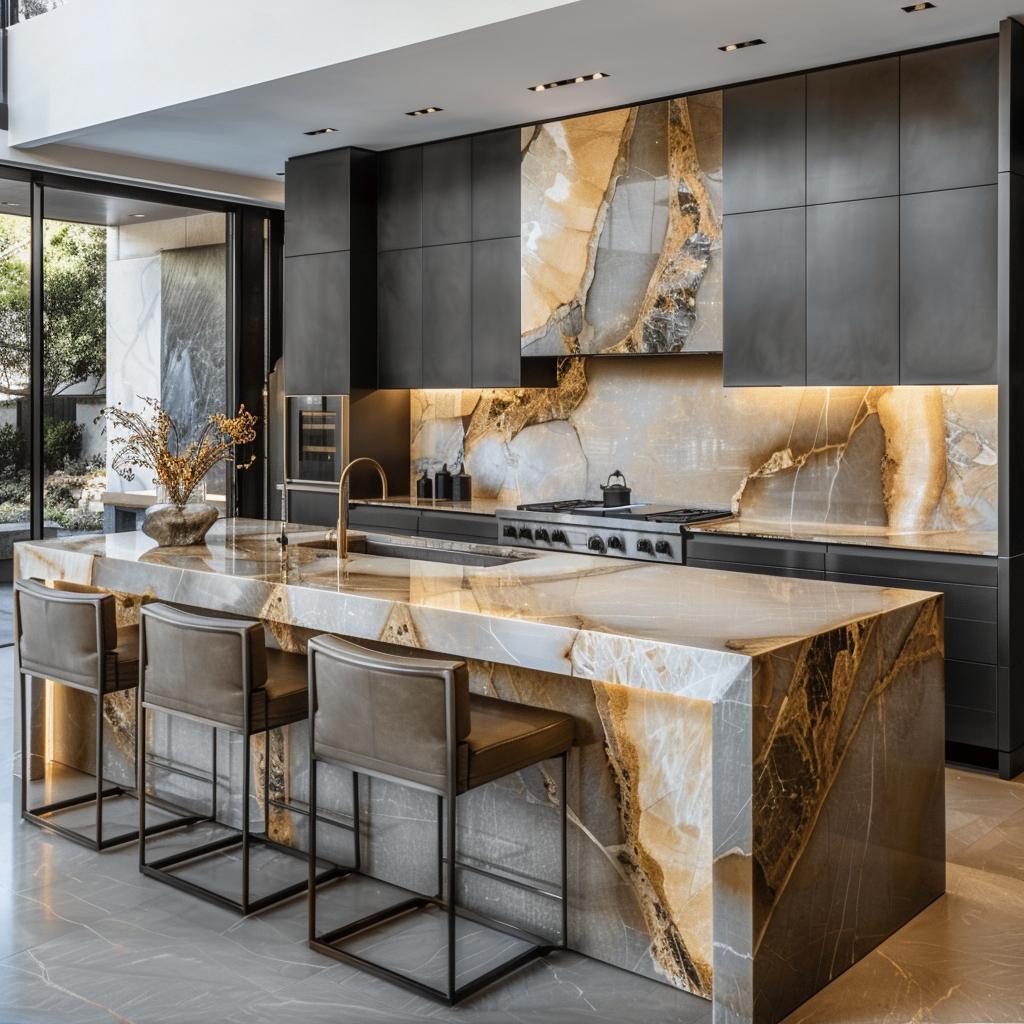
Because it's made in a controlled process, quartz is predictable. The slab you see in the sample is very close to the slab you'll get. The color runs evenly. The veining, if there is any, is designed. And the resin makes the surface non-porous. That means wine, coffee, and olive oil sit on top instead of soaking in.
What Quartzite Actually Is
Quartzite is a metamorphic rock. It starts as sandstone and gets transformed by heat and pressure deep underground into something extremely hard and dense. It's cut from quarries in large blocks, sliced into slabs, and polished.
No two quartzite slabs are the same. That's the appeal. You get natural movement, depth, and color shifts no factory can fully copy. It's also the catch, because what you see in a photo online may look nothing like the slab sitting in the yard.
Here's the short version. Quartz gives you control and consistency. Quartzite gives you character and natural toughness. Neither is "better" across the board, and anyone who tells you otherwise is probably selling one of them.
If you're weighing these options as part of a larger kitchen remodeling project, the right answer depends on how you cook, how much upkeep you'll tolerate, and how the counter fits the rest of the design.
How Much Do Quartz vs Quartzite Countertops Cost in California?
Quartzite usually costs more than quartz, but the gap is smaller than many people expect, and it overlaps a lot. Installed pricing in most California markets often lands roughly between $60 and $150 per square foot for quartz. For quartzite it's often $80 to $200 per square foot or more. These are general estimates. Your real number depends on the specific slab and the job.
To put that in practical terms: a typical kitchen with around 40 to 50 square feet of counter space might run somewhere near $3,000 to $7,500 in quartz. In quartzite, the same kitchen might run $4,500 to $10,000 or more. A dramatic, heavily veined quartzite slab with a waterfall island can push well past that.
What Drives the Price Up
The material is only part of the bill. Several things move the number:
- Slab grade and rarity. Designer quartz lines that mimic Calacatta marble cost more than plain whites. Exotic quartzite with bold color is priced like the rare thing it is.
- Fabrication difficulty. Quartzite is very hard, which makes it slower to cut and polish. That labor shows up in the price.
- Edge profiles and cutouts. Mitered edges, undermount sink cutouts, and cooktop openings all add cost.
- Seams and vein matching. Natural stone often needs careful layout so veins flow across seams. That takes time and can mean buying extra material.
- Access. A second-floor condo in West LA or a hillside home in Studio City can mean more labor just to get slabs inside.
Here's a common objection: "Quartz is the budget choice, right?" Not always. A premium quartz slab can cost the same as, or more than, an entry-level quartzite. Compare specific slabs, not categories.
The smartest move is to price both with real measurements. A free estimate based on your actual layout will tell you far more than any per-square-foot chart.
Which Is More Durable, Quartz or Quartzite?
Both are durable countertop materials, but they fail in different ways. Quartz is better at resisting stains. Quartzite is better at resisting heat and sun. Compared to marble or soft granite, either one is a big step up for a busy kitchen.
Here's how they stack up on the things that actually matter day to day:
- Heat. Quartzite handles hot pans far better. Quartz resins can scorch or discolor under direct high heat. Use trivets with quartz. Honestly, use them with quartzite too.
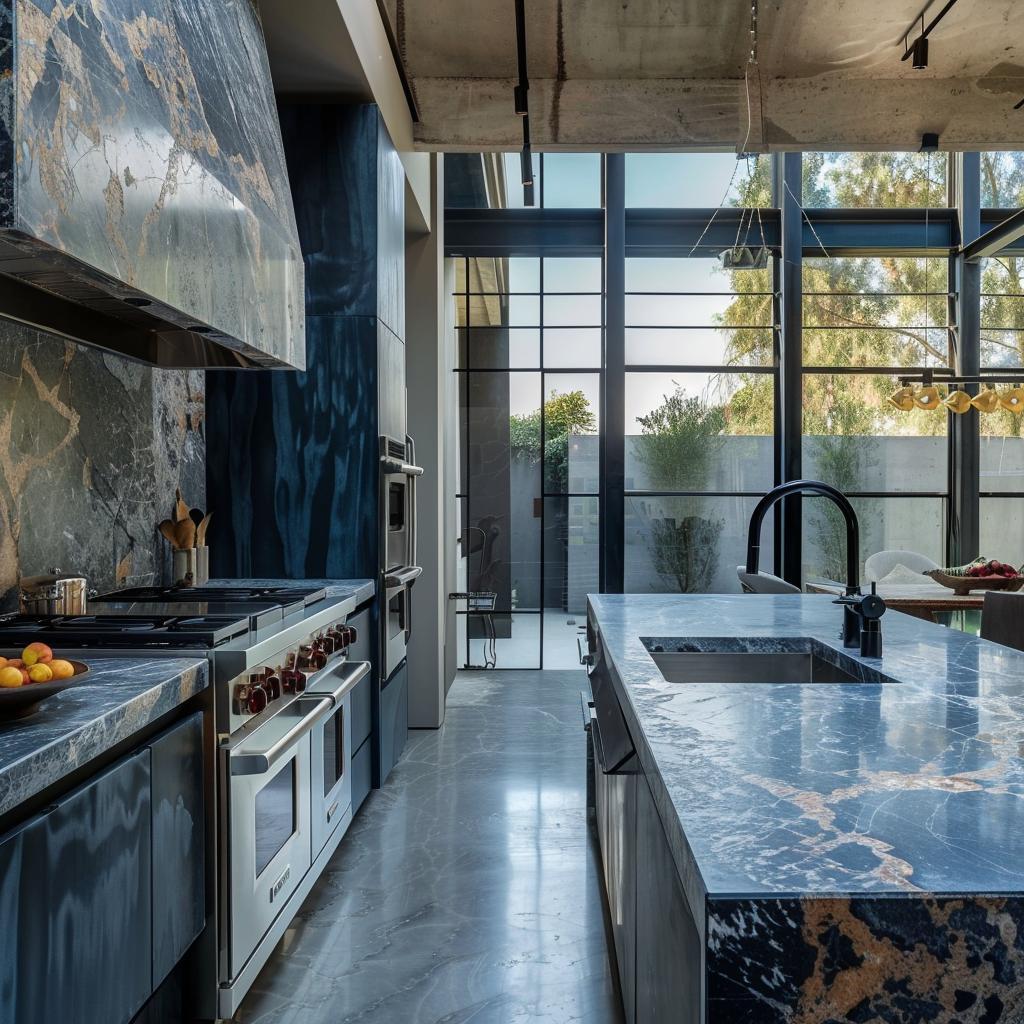
- Stains. Quartz wins. It's non-porous, so it never needs sealing. Quartzite is porous to some degree and needs sealing, often around once a year depending on the stone and how hard you use it.
- Scratches. Both are very scratch-resistant. Quartzite is typically the harder of the two.
- Sunlight. This one matters in California. The resins in most quartz can yellow or fade with steady UV exposure. Quartzite doesn't have that problem. That makes it the safer pick for an outdoor kitchen or a counter under a big sunny window in Pacific Palisades or Venice. If you're planning a backyard cooking area, our outdoor living team can help you choose surfaces built for the sun.
The "Soft Quartzite" Problem
Most people think every slab labeled "quartzite" is tough, heat-proof natural stone. In reality, some stones sold as quartzite are actually marble or dolomite. They're softer and more likely to etch from lemon juice, vinegar, or tomato sauce. Sometimes the label is a genuine mistake. Sometimes it's a marketing name.
An experienced fabricator can test a sample before you commit. A simple scratch test on glass, or a drop of acid on an offcut, tells you a lot. Ask for it. If the seller hesitates, that's your answer.
Durability is also about installation quality. A great slab installed with poor support, bad seams, or a sloppy sink cutout will crack or chip early. The material gets the blame. The workmanship deserves it.
How Long Does Countertop Installation Take, and Do You Need a Permit?
Countertop installation is usually the shortest step on the job site and the longest step in the planning. The actual install often takes a single day. Getting to that day typically takes one to three weeks after your cabinets are in, depending on the fabricator's schedule and the material you chose.
The usual sequence looks like this. Cabinets get set and leveled. The fabricator comes out to template, which means making an exact pattern of your counters. Then the slab is cut and finished in the shop. Then it's installed, followed by plumbing hookups.
Why Slab Lead Times Matter
This is where a lot of remodels lose time. Quartz is often stocked by distributors, so it's usually easier to get. Quartzite is different. The slab you fall in love with might be the only one of its kind. If you wait to choose until cabinets are going in, that slab might already be gone, and you're back to searching while your kitchen sits unfinished.
A tip from the job site: pick and put a hold on your slab early, ideally during design. And have your sink and faucet on site before templating. The fabricator needs the actual sink to cut an accurate opening. A missing sink can delay the whole job.
Timeline is a fair worry. Nobody wants to wash dishes in the bathtub for two months. Good sequencing is what keeps that from happening.
On permits: swapping countertops on their own often doesn't require a building permit. Once the work involves moving plumbing, adding electrical circuits or outlets, or changing walls, permits are typically required. In the City of Los Angeles that usually means the Los Angeles Department of Building and Safety (LADBS). Other cities, from Burbank to Sunnyvale, run their own building departments. Rules change, so confirm current requirements with your local building department before work starts.
One more California-specific note. State regulators have tightened rules on how fabricators cut engineered stone because of silica dust hazards to workers. That doesn't affect you living with quartz counters, but it's a good reason to ask whether your fabricator follows current safety requirements. A careful shop is usually careful everywhere.
Whether the counters are part of a kitchen or a bathroom remodel, timing is easier to control when one team manages the whole schedule.
How Long Does a Quartz vs. Quartzite Countertop Installation Take?
A countertop installation is the final stretch of a kitchen or bath remodel. It runs from measuring the cabinets to setting stone on top of them. For most homes the whole countertop phase takes roughly one to four weeks, depending on the material, how fast you choose a slab, and how busy the fabricator is.
Quartz timelines
Quartz is an engineered stone. It's made in a factory from crushed quartz bound with resin, so the slabs are consistent and distributors usually keep popular colors in stock. Once your cabinets are installed, the fabricator measures them and makes a template. Cutting and installation often follow within about one to two weeks. On install day, a typical kitchen is set in a single day.
Quartzite timelines
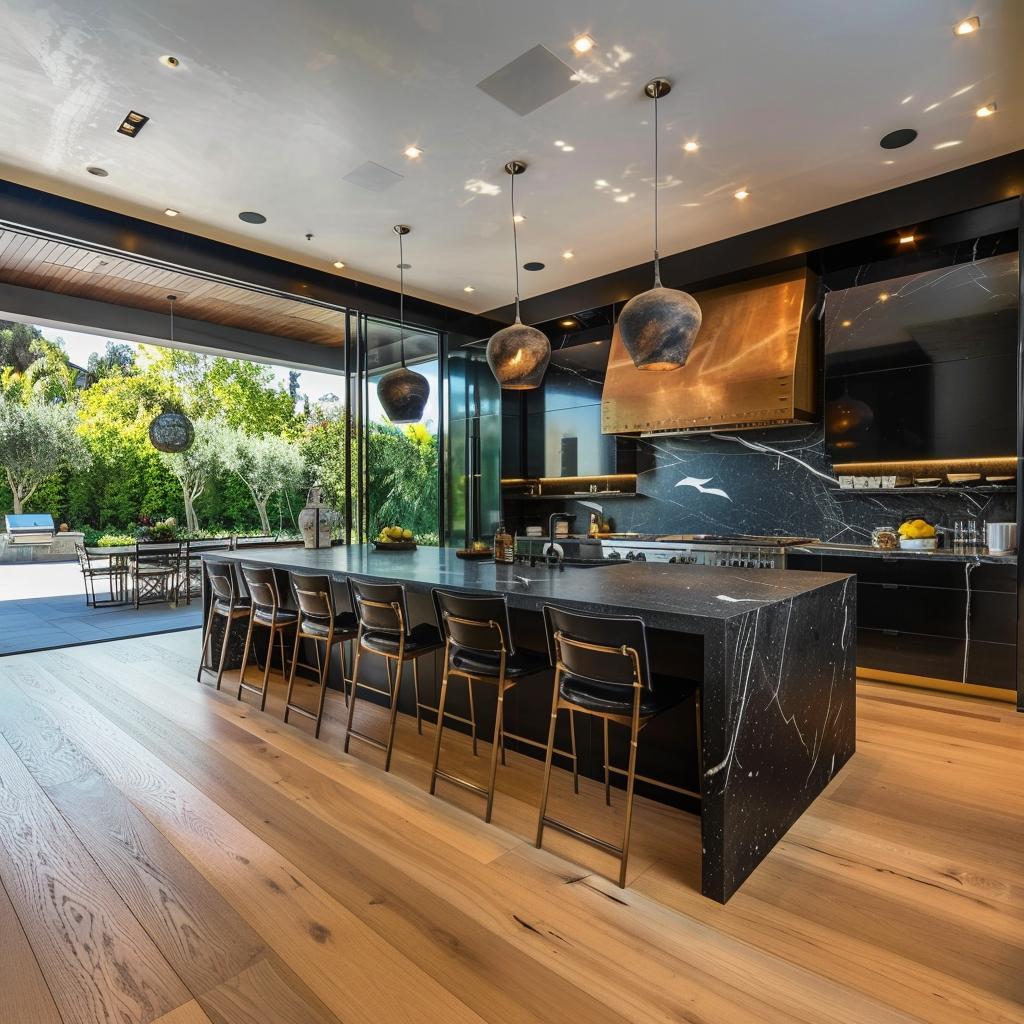
Quartzite is a natural stone. It forms when sandstone is put under heat and pressure, and it's very hard. That hardness makes it slower to cut, polish and edge than quartz. Every slab is also different, so you'll want to see your actual slabs in person before anyone cuts them. Many homeowners need extra time to visit a stone yard and decide. Overall, quartzite usually adds a week or more compared to quartz.
Here's something from the job site. The fabricator can't make a template until the cabinets are installed, level and fastened, and until your sink, faucet and cooktop are physically on site or their exact specs are confirmed. When those pieces show up late, the countertop date slips, and the plumber and backsplash installer slip with it. Most countertop delays we see trace back to that one missed handoff, not to the stone.
If timing worries you, choose your slab early, even before demolition. That takes away much of the waiting. It matters more on a full home remodeling project, where several rooms may depend on the same fabricator.
Is Quartzite Worth the Extra Cost Compared to Quartz?
Countertop value is how well a surface matches the way you live, weighed against what you pay up front and what it takes to keep it up. Price is only part of that. Installed quartz often falls roughly between $60 and $120 per square foot. Quartzite more often runs from about $80 to $200 or more. The spread depends on the slab, edge profile, cutouts and how complex the layout is. These are general estimates, not quotes.
When quartzite earns its price
Quartzite gives you natural veining with real depth. No two slabs look the same. It handles heat better than quartz and holds up well to scratches. In high-end kitchens around Brentwood, Pacific Palisades or Los Altos, where buyers often expect natural stone, a well-chosen quartzite slab fits the rest of the house. It also works well on a covered outdoor kitchen, where quartz is generally a poor fit.
When quartz is the smarter buy
Quartz makes sense when you want a predictable look, an easy-care surface and a lower cost. That makes it a natural choice for rentals, ADUs and busy family kitchens. You'll know exactly what you're getting before it's cut.
A common misconception is that quartz is maintenance-free and quartzite is high-maintenance. Neither is quite true. Quartz can scorch or discolor if you set a hot pan on it, because the resin reacts to heat. It can also fade in direct sun. Quartzite does need occasional sealing, but a good slab is tougher than most people expect. The real maintenance risk comes from stone sold as "quartzite" that is actually a softer, marble-like material. That stone etches when lemon juice or vinegar touches it.
So the honest answer is that both can be worth it. Pick the material that suits your kitchen, not the one that sounds more expensive.
What Are the Best Practices for Choosing Between Quartz vs. Quartzite Countertops?
The best practices for choosing a countertop come down to three things. Verify the material. Plan the layout around the slab. Care for the surface the way that specific stone needs. If you get these right, either choice can last for decades.
Test before you buy. Quartzite names vary from yard to yard, and the labels aren't always accurate. Ask for a sample and run two simple tests. First, drag the edge of a glass tile across it. True quartzite will scratch the glass rather than get scratched itself. Second, leave a drop of lemon juice on the surface for a few minutes. If it leaves a dull etch mark, you're looking at something softer than real quartzite.
Lay out seams on the actual slab. On natural stone, where the seams fall changes how the whole kitchen looks. Ask your fabricator for a digital layout or a tape layout on the slab itself so you can see how the veining will run across the island. Quartz is more forgiving here, but seam placement still matters on long runs.
Buy enough from one lot. Quartzite slabs from different blocks can look like they came from different quarries. Reserve every piece you need, plus a little extra, from the same batch.
Match the stone to its location. Keep quartz out of direct sun and away from outdoor installs. For coastal homes in Santa Monica or Venice, ask about sealing quartzite on open patios, where salt air and sun take a toll.
Hire one accountable team. Many homeowners worry about who is responsible if the cabinets and stone don't line up. A licensed general contractor coordinates the cabinets, fabricator, plumber and backsplash so you don't have to manage those handoffs yourself. To talk through your options, book a consultation.
How Do You Get Started with Quartz vs. Quartzite Countertops?
Getting started means making decisions in the right order, so the stone you love actually fits your budget, your cabinets and your schedule. Here's the sequence that works.
Decide how you use your kitchen. Be honest about cooking habits, kids, entertaining and how much care you'll realistically give a surface. Heavy cooks who set hot pans down often lean toward quartzite. Households that want low maintenance often lean toward quartz.
Set a realistic countertop budget. A typical kitchen has somewhere around 40 to 60 square feet of countertop, though islands can push that higher. Multiply that by the general ranges above to get a rough sense of cost, and leave room for edges, cutouts and backsplash.
Visit a showroom or stone yard. Look at full slabs, not just small samples. Quartzite in particular looks very different in a 3-inch chip than across a 10-foot island.
Verify and reserve your slab. If you choose quartzite, run the glass and lemon tests, then put a hold on enough slabs from the same lot. For quartz, confirm the exact color name and thickness with the supplier.
Finalize fixtures and appliances. Your sink, faucet, cooktop and range need to be chosen, with their specs in hand, before anyone makes a template. Last-minute changes here are one of the most common causes of recuts and delays.
Install cabinets and template. The cabinets must be set, level and secured before the fabricator measures. This is also when you confirm overhangs, seam locations and edge profiles.
Fabrication and installation. The fabricator cuts and finishes the stone, then sets it, usually in one day. Plumbing hookups and backsplash work typically follow within a few days.
Seal and learn the care routine. Quartzite should be sealed after install, and resealed on a schedule your fabricator recommends. Quartz just needs gentle cleaning and trivets for hot cookware.
Frequently Asked Questions
Is quartzite harder than quartz?
Quartzite is a natural stone that ranks very high on the hardness scale and resists scratching well. Quartz is engineered stone made with resin, so it's slightly softer overall and more sensitive to heat. Both hold up well in a normal kitchen.
Does quartz need to be sealed?
No, quartz does not need sealing because its resin binder makes it non-porous. Cleaning with mild soap and water is usually enough. Avoid harsh chemicals and hot pans placed directly on the surface.
How often should quartzite be sealed?
Quartzite is usually sealed at installation and then periodically, often about once a year depending on the slab and how heavily it's used. A simple water drop test will tell you when it's time. If water darkens the stone instead of beading up, it's time to reseal.
Can quartz countertops be used outdoors?
Quartz is generally not recommended outdoors because UV exposure can fade or yellow the resin over time. Quartzite is usually the better choice for outdoor kitchens. Even then, a covered location and regular sealing help it last.
How can I tell if a slab is real quartzite?
Scratch a glass tile with the stone's edge. Real quartzite should scratch the glass. Then leave lemon juice on a sample for several minutes. If it etches, the stone is likely a softer marble-like material sold under a quartzite name.
How long does countertop installation take?
The installation itself typically takes one day for an average kitchen. The full process, from template to install, often runs about one to two weeks for quartz and longer for quartzite. Slab selection and fabricator schedules affect the timing.
Which countertop adds more value to a home?
Neither material guarantees a specific return on investment. Quartzite often suits upscale homes where buyers expect natural stone. Quartz appeals to buyers who want a clean, low-maintenance surface. The better choice is the one that fits the home's style and price range.
Can I install new countertops without replacing my cabinets?
Yes, as long as your existing cabinets are level, sturdy and able to carry the weight of stone. Older or damaged cabinet boxes may need reinforcement first. A contractor should inspect them before you order slabs.
Ready to Choose Your Countertops?
Choosing between quartz and quartzite is easier when someone who's set a lot of stone walks you through it. Oria Builders is a licensed California general contractor (CSLB #1029255) with offices in Santa Monica and Sunnyvale, serving Los Angeles County, the Westside and South Bay, the San Fernando Valley, and the SF Bay Area and Silicon Valley. We're proud to have "500+ projects completed across California." If you're planning a kitchen remodeling project or a bigger renovation, start with a free estimate or book a consultation. We'll help you pick the right surface and plan the work so it's installed right the first time.
Last updated: October 2026
Frequently Asked Questions
What is the main difference between quartz and quartzite countertops?
Quartz is an engineered stone made mostly from crushed natural quartz bound with resins and pigments. Quartzite is a natural metamorphic rock that forms when sandstone is transformed by heat and pressure. Quartz is manufactured for consistent color and pattern. Every quartzite slab is unique.
Which is more durable, quartz or quartzite?
Both are hard, durable surfaces that work well in kitchens. Quartzite is a very hard natural stone and handles heat well. Quartz is non-porous and resists stains without sealing. The better choice depends on whether heat resistance and natural character or low maintenance matters more to you.
Do quartz or quartzite countertops need to be sealed?
Quartz is non-porous and generally does not need sealing. Quartzite is a natural stone with some porosity, so it is usually sealed at installation and resealed periodically. How often depends on the specific stone and the sealer, so follow your fabricator's recommendation.
Can I put hot pans directly on quartz or quartzite?
Quartzite tolerates heat better than quartz. The resins in engineered quartz can discolor or scorch from direct high heat. For either material, using trivets and hot pads is the safest habit to protect the surface over time.
Is quartz or quartzite better for outdoor kitchens in California?
Quartzite is generally better suited to outdoor use. Many engineered quartz products can fade or discolor with prolonged UV exposure, and manufacturers often limit their warranties to indoor installations. Check the specific product's outdoor rating before choosing a material for an outdoor kitchen.
How much do quartz and quartzite countertops cost in California?
Prices vary widely with slab selection, edge profiles, cutouts, fabrication complexity and local labor rates. As a rough estimate, quartz often costs somewhat less installed than quartzite, and exotic quartzite slabs can cost significantly more. Get itemized quotes for your specific kitchen to compare accurately.
How can I tell if a slab sold as quartzite is real quartzite?
Some softer stones, such as certain marbles or dolomites, are sometimes sold as quartzite. Ask the supplier for the stone's geological classification and request a scratch or etch test on a sample piece. True quartzite typically resists scratching from glass and does not etch from mild acids like lemon juice.
Which countertop is easier to maintain day to day?
Quartz is generally the lower-maintenance option. It needs no sealing and cleans with mild soap and water. Quartzite also cleans easily with a pH-neutral cleaner, but it needs periodic resealing and prompt cleanup of spills to keep it looking its best.