Blog › Room Additions
Exploring Different Types of Home Additions for Your LA Property | Enhance Your Space in Los Angeles
By Gilad Segev, Founder & Licensed General Contractor · · Updated
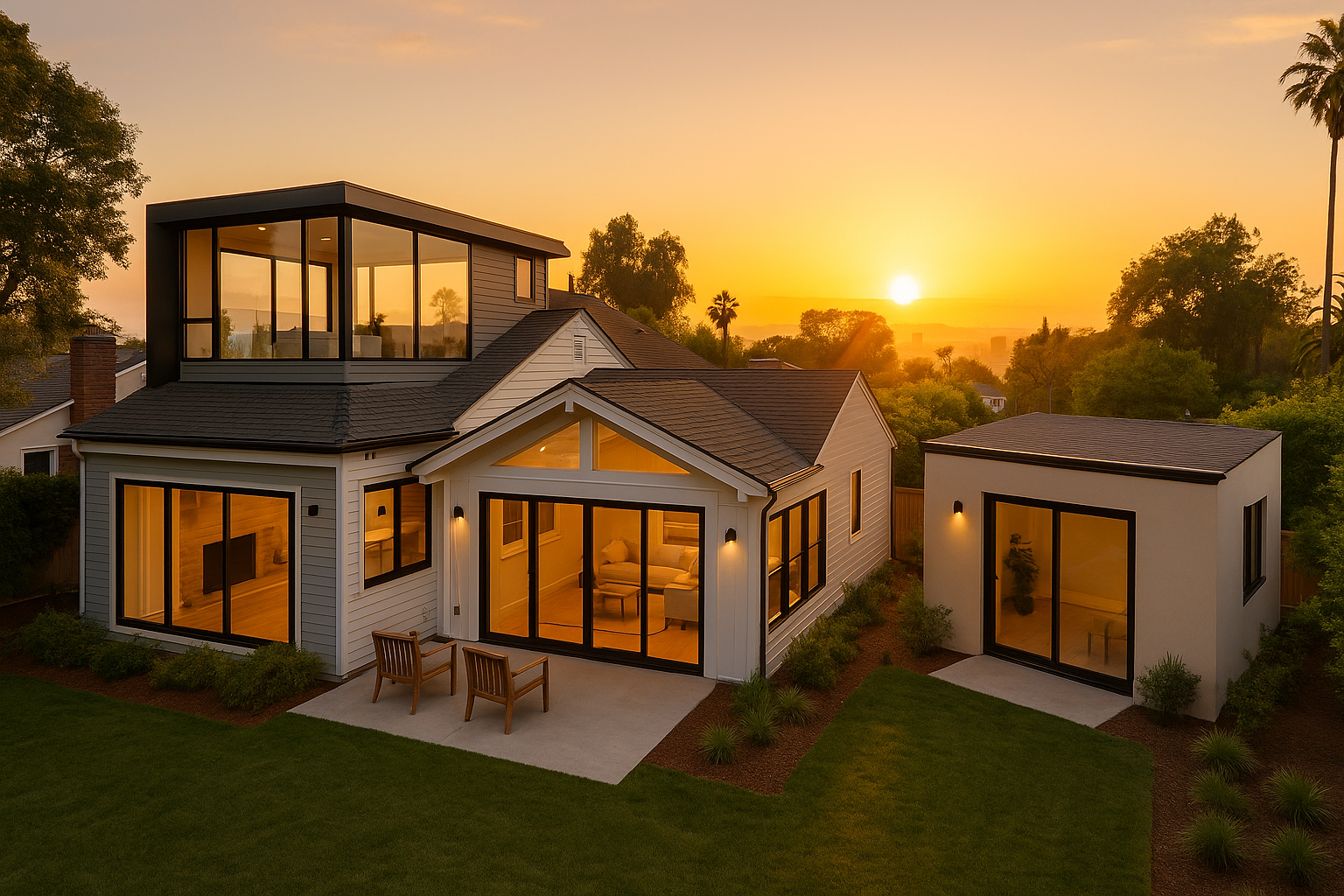
Exploring Different Types of Home Additions for Your LA Property is an excellent way to enhance your living space, increase property value, and cater to your family's growing needs. Whether you're looking to add a sunroom, expand your kitchen, or build a second story, Los Angeles offers a unique environment for homeowners to customize their properties. With a wide variety of options available, understanding the types of home additions and their benefits is crucial for making informed decisions. From navigating local zoning laws to choosing eco-friendly materials, each step plays a vital role in the success of your project. In this comprehensive guide, we'll discuss the most popular types of home additions, the associated costs, and how to ensure your addition complements your existing home. Let’s dive into the details of exploring different types of home additions for your LA property.
What Are the Most Popular Types of Home Additions in Los Angeles?
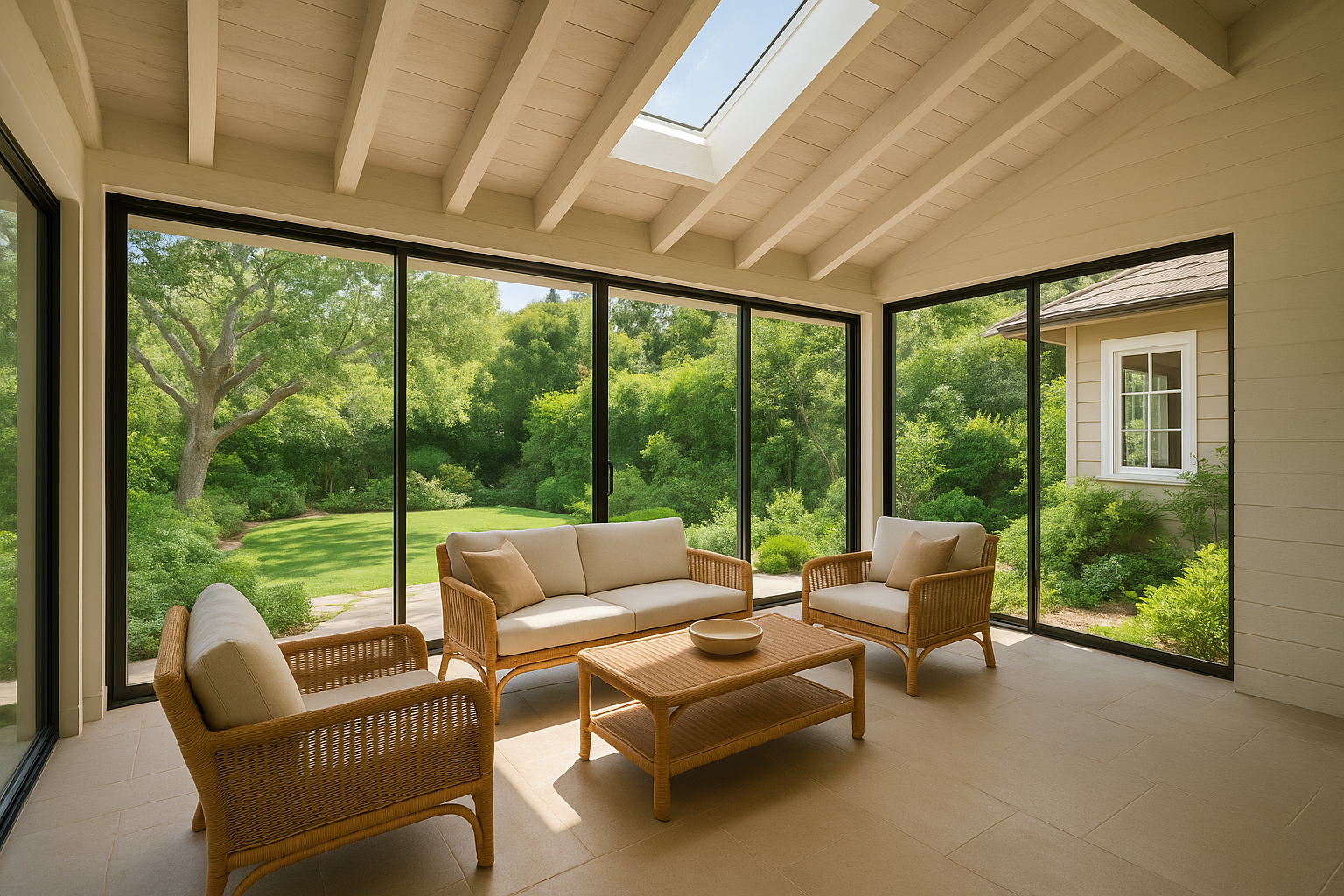
Popular types of home additions in Los Angeles include sunrooms, second stories, bump-outs, and garage conversions. A home addition is defined as any construction project that expands the existing footprint of your property, adding square footage and functionality. For instance, adding a sunroom can create a bright, relaxing space that seamlessly blends indoor and outdoor living—a highly desirable feature in Southern California's sunny climate.
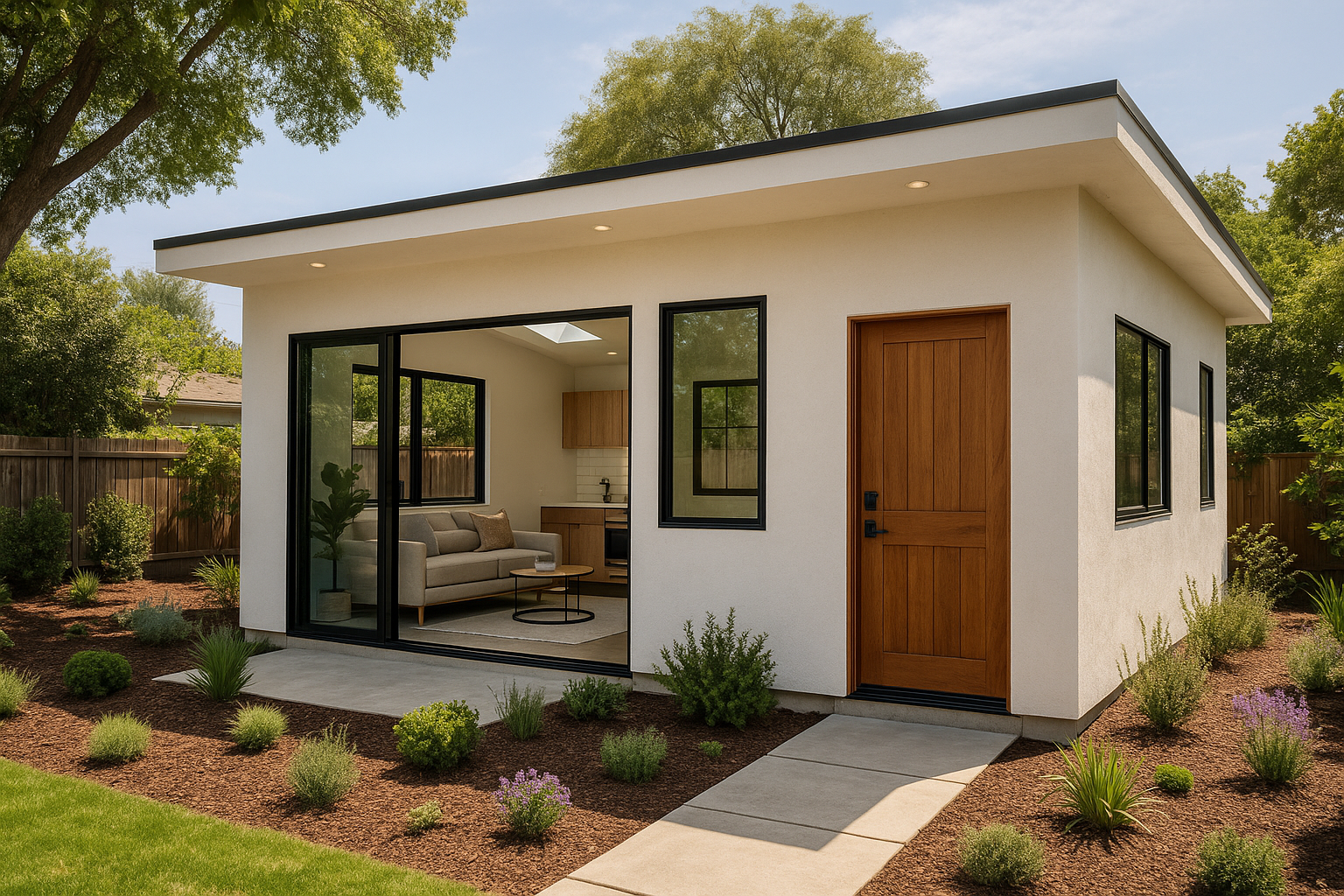
Garage conversions, commonly associated with ADU construction, are particularly popular in neighborhoods such as Culver City and Mar Vista due to their versatility. ADUs, also known as accessory dwelling units, can serve as rental properties, guest suites, or home offices, with average costs ranging from $50,000 to $150,000 depending on size and design.
Second-story additions are another common choice for areas like Santa Monica and Beverly Hills, where land space is limited but vertical expansion is feasible. Adding a second story typically costs between $150,000 and $400,000, depending on the square footage and complexity of the project. Industry data shows that this type of addition can significantly increase property value, often by 20% or more.
Building codes in Los Angeles County require permits for all types of home additions, ensuring compliance with structural and safety regulations. Experts recommend working with licensed contractors like Oria Builders to navigate local requirements and ensure high-quality results. Whether you're expanding horizontally or vertically, understanding the different types of home additions available will help you choose the right option for your property.
Benefits of Sunrooms in Southern California
Sunrooms are ideal for areas like Pacific Palisades and Venice, where homeowners value natural light and outdoor connectivity. These additions typically cost between $15,000 and $70,000, depending on size and materials, and can be completed in as little as 4–8 weeks.
Why Garage Conversions Are Trending
Unlike traditional additions, garage conversions maximize existing space without altering your home's exterior. This makes them a cost-effective solution for homeowners in West LA and Brentwood.
How Much Do Home Additions Typically Cost in LA?
The cost of home additions in Los Angeles varies widely depending on the type, size, and complexity of the project. According to industry experts, the average cost of a home addition in LA ranges from $50,000 to $250,000. For smaller projects like bump-outs, which add 50–100 square feet to an existing room, costs typically range from $15,000 to $40,000. Larger-scale additions, such as second stories or full room expansions, can exceed $200,000.
Homeowners in areas like Glendale and Pasadena often prioritize high-quality materials and finishes, which can increase costs but also boost long-term value. Research shows that using sustainable materials, such as reclaimed wood and energy-efficient windows, can reduce utility bills by up to 30% and appeal to eco-conscious buyers.
Building codes in California require permits for all home additions, with fees typically ranging from $1,000 to $5,000 depending on the scope of the project. Experts recommend allocating 10%–20% of your budget for unexpected expenses, such as structural reinforcements or utility upgrades.
Comparing Costs by Neighborhood
In upscale areas like Beverly Hills, luxury additions often cost more due to premium materials and design requirements. For example, adding a custom outdoor living space with high-end features can cost $100,000 or more compared to $50,000 in other parts of LA County.
Financing Options for Homeowners
Financing options include home equity loans, personal loans, and specialized renovation loans. These can help homeowners cover upfront costs while spreading payments over time.
What Permits and Regulations Should You Consider for Home Additions in LA?
Permits and regulations for home additions in Los Angeles are defined by local building codes and zoning laws. Before starting any project, homeowners must obtain the necessary permits to ensure compliance with safety and structural standards. The permit application process involves submitting detailed plans, such as design and as-built drawings, which outline the scope and specifications of the addition.
Zoning laws in LA County often dictate what types of additions are allowed in specific neighborhoods. For example, neighborhoods like Brentwood and Pacific Palisades may have restrictions on the height or size of additions to preserve the area's aesthetic. According to California state regulations, ADUs are subject to specific guidelines, including limits on square footage (typically 800–1,200 sq ft) and parking requirements.
Building codes require all additions to meet energy efficiency standards, such as those outlined in California's Title 24. Experts recommend working with contractors familiar with local regulations to avoid delays and ensure compliance. Permits for home additions typically take 4–8 weeks to process, depending on the complexity of the project and the responsiveness of local authorities.
Navigating Zoning Challenges
Zoning challenges can arise in areas like Santa Monica, where homeowners often face stricter requirements for maintaining historical integrity or community aesthetics.
Importance of Professional Guidance
Working with licensed general contractors, such as Oria Builders, can streamline the permit process and ensure your addition meets all necessary regulations.
How Can You Ensure Your Addition Complements Your Existing Home?
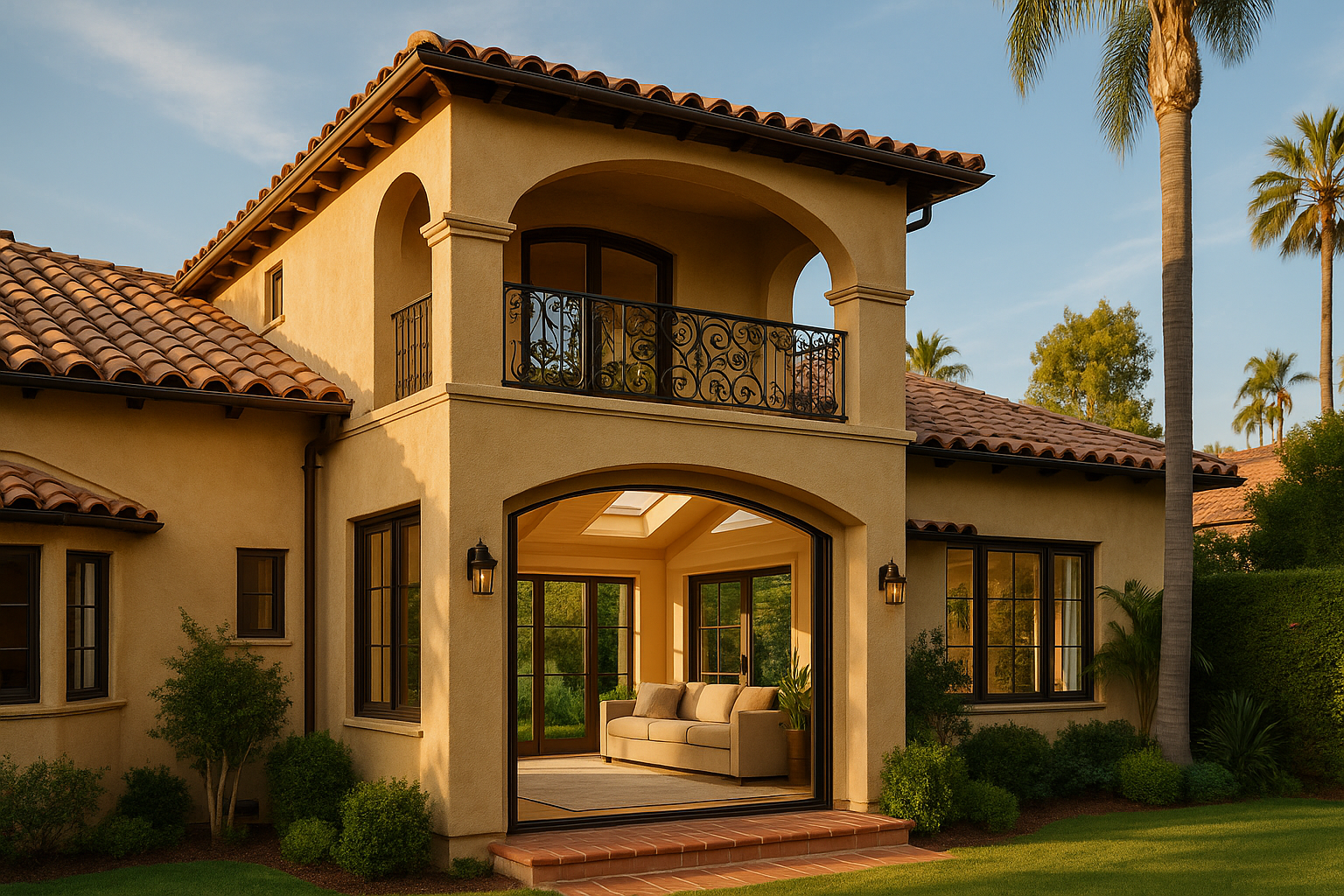
Ensuring your addition complements your existing home is essential for maintaining architectural harmony and maximizing property value. This process involves careful planning, design, and material selection to create a seamless transition between the old and new spaces. According to design experts, factors such as rooflines, exterior finishes, and interior layouts should be considered to achieve a cohesive look.
A popular trend in Los Angeles neighborhoods like Pasadena and Burbank is incorporating modern design elements into traditional homes. For example, using minimalist windows and doors in a Craftsman-style home can create a contemporary feel while preserving the original character. Similarly, adding a second story with matching rooflines and siding ensures the addition blends seamlessly with the home's exterior.
Experts recommend hiring a professional design-build team to handle both the aesthetic and structural aspects of your project. Services like design and as-built plans ensure the addition is tailored to your specific needs while adhering to local building codes. Industry data shows that well-integrated additions can increase property value by up to 25%, making them a worthwhile investment.
Tips for Seamless Integration
- Match exterior finishes (e.g., paint, siding, roofing) to your existing home.
- Align rooflines and architectural details for a streamlined appearance.
- Consider interior design elements, such as flooring and trim, to tie the spaces together.
Benefits of Hiring Professionals
Unlike DIY projects, professional services ensure structural integrity, compliance with regulations, and high-quality craftsmanship.
What Is the Typical Timeline for Exploring Different Types of Home Additions for Your LA Property?
The timeline for home additions is defined as the estimated duration required to complete the construction and remodeling process, from initial planning to project completion. Factors such as the type of addition, permitting requirements, and project scope heavily influence the timeline. For example, smaller projects like adding a sunroom typically take 4–8 weeks, whereas larger additions such as a second-story addition can require 3–6 months.
According to industry data, obtaining building permits in Los Angeles County can add 2–6 weeks to the timeline, depending on the complexity of the project and adherence to local building codes. Areas like Culver City and Brentwood often have stricter regulations compared to other Southern California neighborhoods. Additionally, construction timelines may vary depending on whether you’re building in a more urban area like Pasadena or a suburban area like Pacific Palisades.
Key Milestones in the Home Addition Process
- Planning and Design: This phase typically lasts 2–4 weeks. Collaborating with design & as-built professionals ensures precise plans that meet local requirements.
- Permitting: Research shows that permit approval times vary across LA County but generally range from 2–6 weeks.
- Construction and Finishing: Building the addition itself can take 4–12 weeks for smaller projects or up to 6 months for major expansions.
Compared to remodels, home additions tend to have longer timelines due to additional structural work and inspections. Planning well in advance, especially in busy areas like Venice or Glendale, can help avoid delays.
Does Adding to Your LA Home Boost ROI and Property Value?
ROI (Return on Investment) for home additions is defined as the percentage of the project cost recouped through increased property value. Homeowners in Los Angeles often see strong returns, especially for additions that align with local demand. For instance, an ADU (Accessory Dwelling Unit) typically offers an ROI of 50–70%, according to recent studies, due to its rental income potential and appeal in high-demand areas like Mar Vista and Burbank.
Research shows that adding square footage to your home increases its market value significantly. In Southern California, the average cost of additions ranges from $150–$400 per sq ft, depending on the type of addition and materials used. For example, a high-end master suite addition in Beverly Hills may cost upwards of $100,000 but can boost property value by $150,000 or more.
Factors That Maximize ROI
- Location: Additions in prime areas like Pacific Palisades or Brentwood yield higher returns compared to less competitive markets.
- Type of Addition: Kitchen expansions or ADUs built through our ADU construction services are particularly lucrative investments in LA County.
- Quality of Work: Studies show that homeowners recoup more when using licensed professionals like Oria Builders for full home remodeling.
Unlike minor upgrades, home additions significantly impact ROI when planned strategically. They enable homeowners to capitalize on Los Angeles’ high property demand, especially for multi-functional spaces like ADUs or luxury expansions.
What Are the Best Practices for Exploring Different Types of Home Additions for Your LA Property?
Best practices for home additions refer to the strategies and guidelines that ensure successful project outcomes. In Los Angeles, following these practices is crucial for navigating complex building codes, local regulations, and high construction costs. Whether you’re considering a room addition in Glendale or a new outdoor living space in Pasadena, proper planning is key.
Recommended Practices for LA Homeowners
- Work with Licensed Contractors: Hiring professionals with experience in LA County, like Oria Builders, ensures compliance with building codes and quality craftsmanship.
- Prioritize Energy Efficiency: Compared to older construction methods, using energy-efficient materials and designs can save homeowners 20–30% on utility bills annually.
- Budget Realistically: Studies show that addition costs in Southern California typically range from $50,000 to $200,000, depending on size and scope. A realistic budget avoids financial stress during construction.
Common Mistakes to Avoid
- Skipping Permits: Research shows that unpermitted work can result in fines and even demolition orders in areas like Culver City or Brentwood.
- Underestimating Timelines: Unlike other home improvement projects, additions require significant time for approvals and inspections.
Exploring different types of home additions for your LA property means taking proactive steps to minimize risks and maximize value. From consulting with experts to adhering to local regulations, these practices ensure a smooth, hassle-free experience.
How Do You Get Started with Exploring Different Types of Home Additions for Your LA Property?
Getting started with home additions is defined as the initial steps homeowners take to plan, budget, and execute their projects. In Los Angeles, this process involves careful consideration of local regulations, timelines, and costs.
Step-by-Step Guide to Starting Your Home Addition
- Assess Your Needs: Determine the purpose of the addition, whether it's an extra bedroom, ADU construction, or expanded living space.
- Research Local Regulations: Building codes in areas like Venice and Pacific Palisades often require specific permits and inspections.
- Set a Budget: Studies show that home additions in Southern California typically cost $50,000–$150,000. Factor in material and labor costs.
- Hire Professionals: Work with licensed contractors like Oria Builders to ensure compliance and high-quality results. Schedule a consultation to discuss your vision.
- Design Your Addition: Collaborate with design and as-built experts to create plans that maximize space and value.
- Start Construction: Once permits are approved, construction typically ranges from 4 weeks to 6 months, depending on the project scope.
By following these steps, homeowners in LA County—including Burbank, Glendale, and Mar Vista—can confidently move forward with their home addition plans.
Frequently Asked Questions
How much does a home addition cost in Los Angeles?
Home addition costs typically range from $150–$400 per sq ft, depending on materials, location, and scope. A standard room addition in LA County averages $50,000–$100,000.
Do I need permits for home additions in Southern California?
Yes, permits are required for most home additions. According to building codes, unpermitted work can lead to fines or legal issues, especially in areas like Culver City and Pacific Palisades.
How long does it take to complete a home addition?
Timelines vary based on the project type but typically range from 4 weeks for small additions to 6 months for major expansions. Permitting alone can add 2–6 weeks.
What types of home additions offer the best ROI?
Research shows that ADUs, kitchen expansions, and master suites yield the highest ROI, often recouping 50–70% of costs in competitive markets like Venice and Brentwood.
Can I add a second story to my home?
Yes, second-story additions are possible but require structural evaluations and permits. These projects often cost $100,000–$250,000 in Los Angeles.
Does a home addition increase property taxes?
Adding square footage typically increases property taxes by 1–2% of the addition’s value, based on LA County assessments.
What is the best way to design a home addition?
Collaborate with design professionals to create functional, attractive plans. Focus on energy efficiency and maximizing ROI.
How do I find a reliable contractor in Los Angeles?
Choose licensed experts like Oria Builders with extensive experience in LA County. Schedule a free estimate or consultation to evaluate your project.
Exploring different types of home additions for your LA property opens the door to transforming your space while boosting value. Whether you're expanding your living area or adding an ADU, Oria Builders can help bring your vision to life. Request a free estimate or book a consultation today to get started!
Ready to start your Kitchen Remodeling project in Los Angeles? Get a free consultation with Oria Builders, or try our instant cost estimator to see what your project might cost. Learn more about our Kitchen Remodeling services.
Frequently Asked Questions
What are the most common home additions in Los Angeles?
The most common home additions in Los Angeles include ADUs (Accessory Dwelling Units), room expansions, kitchen upgrades, bathroom remodels, and second-story additions.
What is an Accessory Dwelling Unit (ADU)?
An ADU is a secondary housing unit built on the same property as a single-family home. It can be used as a rental unit, guest house, or additional living space.
How much does it cost to add a room to a home in Los Angeles?
Room additions in Los Angeles typically cost between $80,000 and $150,000, depending on size, materials, and design complexity.
Do I need permits for home additions in LA?
Yes, building permits are required for most home additions in Los Angeles to ensure compliance with local building codes and regulations.
Can I build a second-story addition on my LA property?
Yes, second-story additions are a popular way to maximize space in Los Angeles. However, structural assessments and city permits are necessary before starting construction.
How long does it take to complete a home addition project?
The timeline for home additions can range from 3 to 6 months, depending on the project's complexity and size.
What factors should I consider before starting a home addition in LA?
Consider factors like budget, local zoning laws, necessary permits, design preferences, and the impact on your property's value.
Are home additions a good investment in Los Angeles?
Yes, home additions can significantly increase your property's value, especially in high-demand areas like Los Angeles.