Blog › ADU
The Future of ADUs: Emerging Trends for California Homeowners
By Gilad Segev, Founder & Licensed General Contractor · · Updated
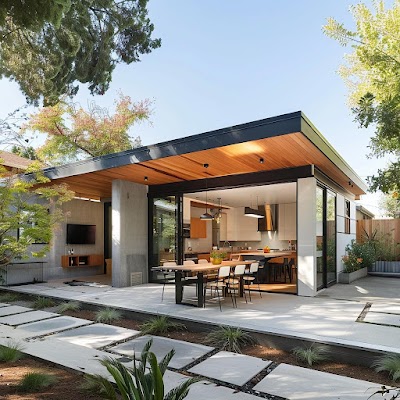
The Future of ADUs: Emerging Trends for California Homeowners refers to the evolving landscape of Accessory Dwelling Units (ADUs) and their growing role in addressing housing challenges, maximizing property value, and embracing sustainable living. ADUs, also known as secondary housing units or granny flats, are small, self-contained residential units located on the same lot as a primary dwelling. In California, where housing shortages remain a critical issue, ADUs have emerged as a practical solution for increasing housing density without significantly altering neighborhood aesthetics. Industry data shows that ADU construction has surged by over 60% in Los Angeles County since 2017, driven by progressive legislation and rising demand for flexible living spaces. As we look ahead, the future of ADUs promises innovative design trends, eco-friendly construction practices, and advanced technology integration. For California homeowners, understanding these emerging trends is essential to making informed decisions about building an ADU.
What Are the Latest Design Trends for ADUs?
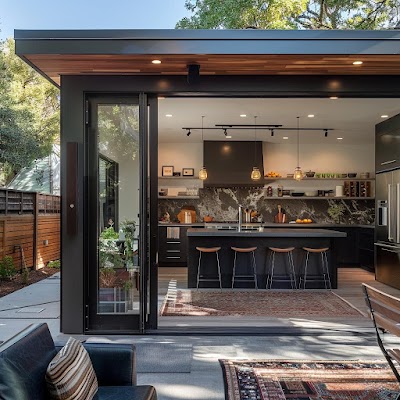
Current design trends for ADUs are defined as the architectural and interior innovations that enhance functionality, style, and sustainability in these compact living spaces. As ADU construction grows in popularity across Los Angeles, homeowners and builders are embracing modern aesthetics and multi-purpose designs to maximize limited square footage. According to experts, open-concept layouts, smart storage solutions, and natural lighting are among the most sought-after features in ADUs.
Maximizing Space with Multi-Functional Designs
One of the most notable trends is the use of multi-functional furniture and adaptable spaces. Murphy beds, foldable dining tables, and built-in shelving systems are increasingly being incorporated to create versatile interiors. For example, a 400 sq ft ADU in Santa Monica can serve as both a guesthouse and a home office by utilizing modular furniture and sliding partitions.
Embracing Modern and Sustainable Materials
Another emerging trend is the use of sustainable building materials such as reclaimed wood, bamboo flooring, and low-VOC (volatile organic compounds) paints. Homeowners in eco-conscious areas like Culver City and Venice are opting for energy-efficient windows, solar panels, and rainwater harvesting systems to make their ADUs environmentally friendly. These features not only reduce carbon footprints but also align with California's stringent building codes, which mandate energy efficiency under Title 24 regulations.
By staying ahead of these design trends, homeowners can create ADUs that are not only stylish but also functional and sustainable. Interested in exploring modern ADU designs for your property? Book a consultation with Oria Builders to bring your vision to life.
How Much Does It Cost to Build an ADU in California?
The cost of building an ADU in California is defined as the total expenses involved in planning, permitting, and constructing a secondary dwelling unit, which can vary based on size, materials, and location. On average, building a detached ADU in Los Angeles ranges from $150,000 to $300,000, while garage conversions typically cost between $80,000 and $150,000. These figures align with industry data and reflect the high construction costs in Southern California.
Factors Influencing ADU Costs
- Size and Layout: Larger ADUs, such as 1,000 sq ft units, cost more than smaller studio-style units. For instance, a 600 sq ft ADU in Beverly Hills might cost approximately $180,000 compared to a 400 sq ft unit in Mar Vista, which could be closer to $120,000.
- Type of Construction: Detached ADUs are more expensive to build than attached units or garage conversions due to the need for independent foundations and utility connections.
- Permitting and Fees: In Los Angeles County, permitting costs typically range from $5,000 to $15,000, depending on the scope of the project and local zoning requirements.
Cost-Saving Strategies
To manage costs, homeowners can consider pre-fabricated ADUs, which can reduce construction time by up to 50% compared to traditional builds. Additionally, some California cities, like Pasadena, offer fee waivers or expedited permitting for ADU projects that address affordable housing needs.
For a personalized cost breakdown, get a free estimate from Oria Builders. Our team specializes in delivering high-quality ADUs tailored to your budget and vision.
What Are the Benefits of Building an ADU?
The benefits of building an ADU are defined as the advantages homeowners gain by adding a secondary dwelling unit to their property, ranging from financial returns to increased flexibility. In Los Angeles, ADUs are becoming an essential tool for addressing the region's housing crisis while providing significant perks to property owners.
Financial Benefits
- Rental Income: Renting out an ADU can generate monthly income ranging from $2,000 to $4,000, depending on the neighborhood. For example, an ADU in Pacific Palisades could command a higher rental rate compared to one in Glendale.
- Property Value Increase: According to real estate data, adding an ADU can boost property value by 20–30%, making it a worthwhile investment for homeowners in high-demand areas like Brentwood or Beverly Hills.
Additional Living Space
ADUs provide much-needed flexibility for multi-generational families or homeowners seeking to accommodate aging parents or adult children. For instance, a detached ADU in West LA can serve as a private living space for relatives while maintaining independence.
By investing in an ADU, homeowners can enjoy both immediate and long-term benefits. If you're considering this option, explore our ADU construction services to learn more about how Oria Builders can help.
How Do California Regulations Impact ADU Construction?
California regulations impacting ADU construction refer to the state and local laws that govern how and where these units can be built. In recent years, California has enacted progressive legislation to streamline the approval process and encourage ADU development. Key laws, such as Senate Bill 9 (SB 9) and Assembly Bill 68 (AB 68), have reduced zoning restrictions and increased allowable square footage for ADUs.
Key Regulatory Changes
- Reduced Parking Requirements: In areas near public transit, homeowners are no longer required to provide additional parking for ADUs. This is particularly beneficial in urban neighborhoods like Downtown Los Angeles or Santa Monica, where space is limited.
- Bypassing Discretionary Reviews: California law now requires cities to approve ADU applications within 60 days, compared to the months-long process previously required.
Local Zoning Considerations
While state laws set the framework, local regulations in Los Angeles County may have additional requirements. For example, setback requirements in Beverly Hills may differ from those in Glendale, affecting the placement and size of ADUs. Homeowners should also be aware of potential HOA restrictions in gated communities.
Understanding these regulations is crucial for a smooth construction process. At Oria Builders, we specialize in navigating California’s complex building codes. Book a consultation today to discuss your ADU project with our experts.
Stay tuned for the second half of this guide, where we’ll explore financing options, community impacts, and future predictions for ADUs in California!
What Is the Timeline for Building an ADU in California?
The timeline for building an Accessory Dwelling Unit (ADU) is defined as the period from initial planning to final completion. In California, this process typically ranges from 6 to 12 months, depending on factors such as permitting, design complexity, and construction scale. For homeowners in areas like Culver City, Pacific Palisades, or Pasadena, local building codes and regulations can impact these timelines significantly.
Key Milestones in the ADU Timeline
- Planning and Design: This initial phase, including architectural design and obtaining permits, often takes 2–4 months. Working with experienced professionals like Oria Builders can streamline this process.
- Permitting: In LA County, permitting typically requires 1–3 months, though delays may occur due to zoning reviews. Research shows that municipalities like Glendale and Burbank have increasingly expedited ADU permits.
- Construction: The construction phase usually spans 4–6 months, depending on whether you’re building a detached ADU (e.g., 800 sq ft unit) or converting existing space (e.g., garage conversion).
- Final Inspections: Inspections and approvals may add another 1–2 months, especially in areas with stringent local requirements like Brentwood or Mar Vista.
Compared to traditional home additions, building an ADU is faster and less disruptive. However, according to industry data, unexpected delays due to material shortages or contractor availability can extend timelines.
How to Minimize Delays
- Partner with experienced professionals to navigate permitting efficiently.
- Opt for pre-approved building plans available in cities like Pasadena and Venice.
- Regularly communicate with your contractor to ensure timely progress.
If you’re ready to start planning, book a consultation with Oria Builders to discuss your specific timeline and needs.
What ROI Can Homeowners Expect From ADUs?
The Return on Investment (ROI) for ADUs is defined as the financial benefits homeowners receive compared to the costs of construction. ADUs in California are highly lucrative, offering both rental income and increased property value. Research shows that adding an ADU can boost property value by 20–30%, especially in high-demand markets like Southern California.
Rental Income Potential
- Monthly Earnings: In areas like Pacific Palisades or Venice, ADUs can generate $2,500–$4,000 per month in rental income, depending on size and amenities.
- Occupancy Rates: Southern California’s rental market has high demand, with ADU occupancy rates averaging over 90%, according to studies.
Property Value Increase
Adding an ADU versus leaving unused space can significantly enhance property value. For example, transforming a garage into a 500 sq ft ADU typically costs $100,000–$150,000 but can increase resale value by $200,000 or more in neighborhoods like Brentwood or Glendale.
Long-Term Savings
Unlike other investments, ADUs offer tangible benefits like reduced housing costs for multigenerational families or downsizing retirees. Over time, the ROI typically outweighs upfront costs, making ADUs a smart choice for Los Angeles homeowners.
To calculate your specific ROI, book a consultation with Oria Builders today.
What Are the Best Practices for Building an ADU in California?
Best practices for building an ADU refer to the strategies and methods homeowners should follow to ensure success. From efficient planning to sustainable construction, implementing expert advice can save time, money, and stress.
Prioritize Local Expertise
Working with contractors familiar with LA County regulations, like Oria Builders, ensures compliance with building codes. Research shows that cities like Burbank and Pasadena have unique zoning rules, making local knowledge essential.
Optimize Space and Design
- Maximize Square Footage: Focus on functional layouts for small spaces; for example, a 400 sq ft studio ADU in Mar Vista can feel spacious with smart design elements.
- Energy Efficiency: Use sustainable materials and solar panels to reduce long-term utility costs, a growing trend in Southern California.
Budget Wisely
ADU costs typically range from $150,000–$300,000, depending on size and features. Compared to full home additions, ADUs are more cost-effective but still require careful budgeting to avoid overspending.
Avoid Common Pitfalls
- Ensure proper drainage and foundation work to prevent structural issues.
- Vet contractors thoroughly to avoid delays or subpar workmanship.
By following these best practices, homeowners in Culver City, Brentwood, and other LA neighborhoods can ensure a smooth and rewarding ADU journey.
How Do You Get Started with The Future of ADUs: Emerging Trends for California Homeowners?
Getting started with the future of ADUs: emerging trends for California homeowners means following a clear, step-by-step process. Here’s how:
Assess Your Property
Evaluate your lot size and zoning regulations to determine ADU feasibility. For example, properties in Venice or Pasadena may have unique restrictions.Define Your Goals
Decide whether you want an ADU for rental income, guest space, or multigenerational living. Your goals will shape the design and budget.Set Your Budget
Research shows ADU costs typically range from $150,000–$300,000. Factor in permits, construction, and finishes.Hire an Experienced Contractor
Partner with licensed professionals like Oria Builders to ensure compliance and high-quality results.Obtain Permits
Navigate local building codes efficiently. Cities like Glendale and Brentwood may offer expedited permitting options.Begin Construction
Once permits are approved, start building your ADU. Regular communication with your contractor will ensure timely progress.
Ready to take the first step? Book a consultation with Oria Builders today!
Frequently Asked Questions
What is the typical cost to build an ADU in Los Angeles?
The cost of an ADU in Los Angeles typically ranges from $150,000 to $300,000, depending on size, design, and materials. Garage conversions are often more affordable than detached units.
How long does it take to build an ADU?
The timeline for building an ADU usually spans 6–12 months. Factors like permitting and construction complexity can affect this duration.
Can I rent out my ADU in Southern California?
Yes, ADUs are highly popular rental units in Southern California. Monthly rental income in areas like Venice or Glendale can range from $2,500 to $4,000.
What are the zoning requirements for ADUs in LA County?
Zoning requirements vary by city but generally include minimum lot size, parking standards, and setback rules. Some cities, like Pasadena, now offer pre-approved ADU plans.
Do ADUs increase property value?
Yes, adding an ADU typically increases property value by 20–30%. This is especially true in high-demand areas like Brentwood and Pacific Palisades.
Are ADUs energy-efficient?
ADUs can be highly energy-efficient if designed with sustainable materials and features like solar panels. Builders like Oria Builders specialize in eco-friendly designs.
What is the ROI for ADUs compared to other home additions?
ADUs offer higher ROI compared to traditional home additions, with long-term rental income and significant property value increases.
How do I start planning my ADU?
Start by assessing your property, setting a budget, and consulting with licensed professionals. Book a consultation with Oria Builders to begin your ADU journey.
The future of ADUs: emerging trends for California homeowners is bright, offering unparalleled opportunities for rental income, multigenerational living, and property value growth. If you’re ready to explore your options, get a free estimate or book a consultation with Oria Builders today!
Ready to start your Adu project in Los Angeles? Get a free consultation with Oria Builders, or try our instant cost estimator to see what your project might cost. Learn more about our Adu services.
Frequently Asked Questions
What are ADUs and why are they popular in California?
ADUs, or Accessory Dwelling Units, are small, self-contained residential units built on the same lot as an existing home. They are popular in California due to housing shortages and changing laws that make them easier to build.
What are the latest trends in ADU design?
Emerging trends include sustainable materials, modular construction, smart home technology, and designs that maximize space efficiency.
How have California laws changed to support ADU construction?
Recent legislation has reduced permitting barriers, increased allowable sizes, and provided incentives for homeowners to build ADUs.
Can ADUs increase property value?
Yes, ADUs can increase property value by providing additional living space or rental income potential.
Are there financing options available for building ADUs?
Homeowners can explore financing options such as home equity loans, government grants, or specialized ADU construction loans.
What are the challenges of building an ADU in California?
Challenges include navigating local zoning laws, construction costs, and ensuring the design complements the existing property.
How can homeowners make ADUs eco-friendly?
Homeowners can use energy-efficient appliances, solar panels, sustainable materials, and water-saving fixtures to make ADUs eco-friendly.
Can ADUs be used for purposes other than housing?
Yes, ADUs can be used as home offices, art studios, guest houses, or rental units depending on the homeowner's needs.