Blog › ADU
Navigating the ADU Permit Process in Los Angeles: A Step-by-Step Guide
By Gilad Segev, Founder & Licensed General Contractor · · Updated
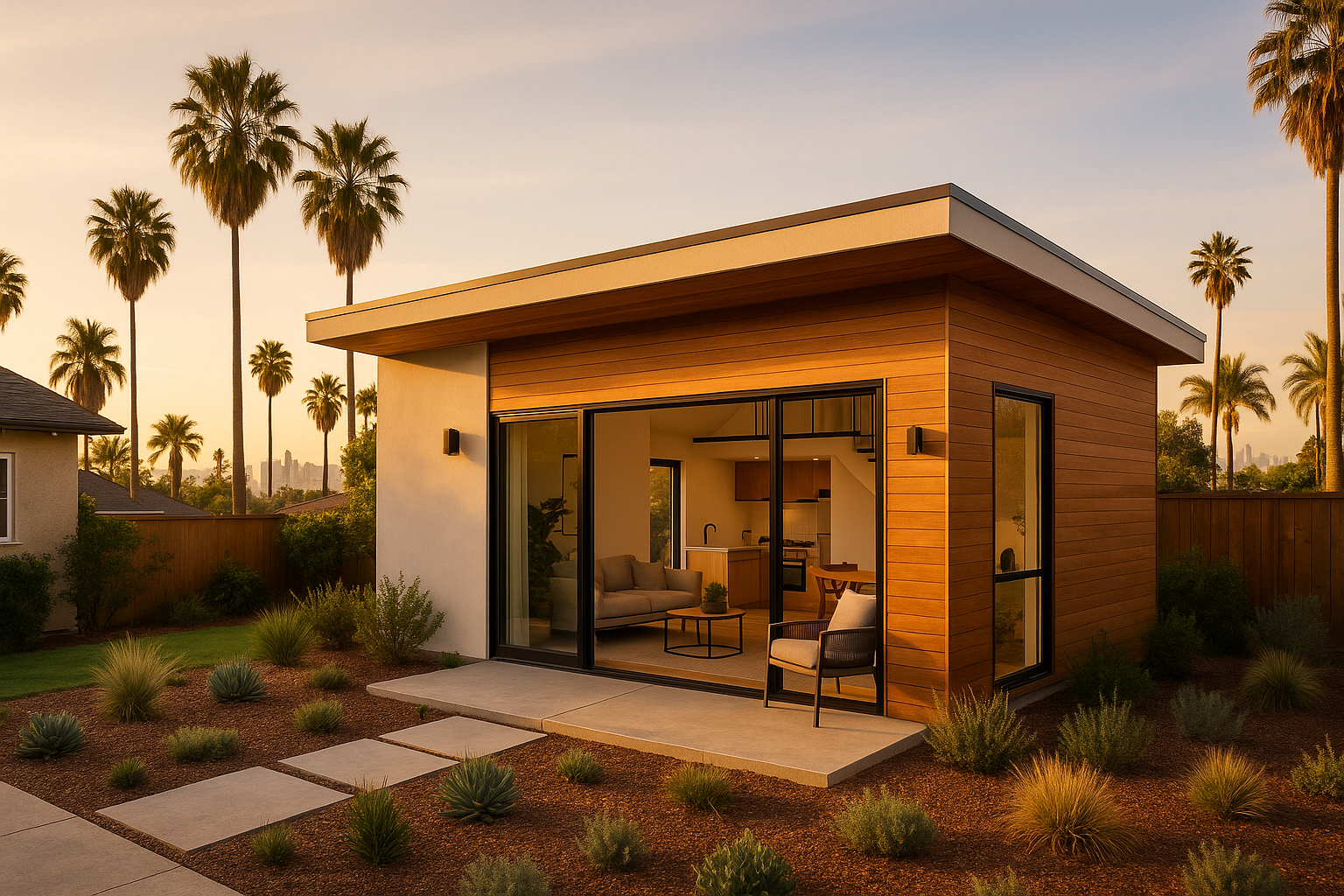
Navigating the ADU Permit Process in Los Angeles: A Step-by-Step Guide is a comprehensive look at the steps homeowners need to take to legally construct an Accessory Dwelling Unit (ADU) on their property within Los Angeles County. With California's housing crisis making ADUs an increasingly popular solution, understanding the permit process is crucial to ensuring compliance with local zoning laws, building codes, and state regulations. From gathering necessary documentation to addressing zoning restrictions, this guide provides homeowners with a detailed roadmap to streamline the often-complex approval process. Whether you're in Santa Monica, Culver City, or Beverly Hills, successfully navigating the ADU permit process can help you add value to your property while contributing to the housing supply.
This guide covers everything from understanding the types of ADUs allowed in Southern California to the costs and timelines associated with the permitting process. With insights tailored to Los Angeles neighborhoods, you'll gain clarity on how to avoid common pitfalls and expedite your application. Let's dive into the specifics of navigating the ADU permit process in Los Angeles: A Step-by-Step Guide.
What is an ADU, and Why Are Permits Required?
An ADU, or Accessory Dwelling Unit, is a secondary housing unit located on the same property as a primary residence. These units are also known as granny flats, in-law suites, or backyard cottages and are defined as self-contained living spaces with their own kitchen, bathroom, and sleeping area. In Los Angeles, ADUs have become a vital solution to the housing crunch, offering homeowners a way to generate rental income or provide multigenerational living options.
Permits are required for ADU construction to ensure compliance with California's residential building codes and local zoning laws. According to the Los Angeles Department of Building and Safety (LADBS), ADUs must meet specific requirements for size, setbacks, and design compatibility with the primary dwelling. For example, attached ADUs cannot exceed 50% of the primary home's square footage, while detached units are typically limited to 1,200 sq ft.
Obtaining a permit also helps prevent legal issues down the line. Unpermitted ADUs can lead to fines, forced demolition, or challenges when selling the property. By following the proper process, homeowners in Los Angeles neighborhoods like Brentwood, Mar Vista, and Glendale can ensure their projects meet all safety and regulatory standards. For guidance on ADU construction, Oria Builders offers expert ADU construction services tailored to LA County's unique requirements.
Types of ADUs Allowed in Los Angeles
Los Angeles permits several types of ADUs, including:
- Detached ADUs: Freestanding structures separate from the primary residence, up to 1,200 sq ft.
- Attached ADUs: Units connected to the main home, limited to 50% of the home's size.
- Garage Conversions: Transforming existing garages into living spaces.
- Junior ADUs (JADUs): Smaller units, typically no more than 500 sq ft, that are part of the primary residence.
Each type comes with its own permitting requirements, so it's essential to work with a licensed contractor like Oria Builders to navigate these details effectively. Need a tailored estimate? Get a free estimate today.
What Are the Key Steps in Navigating the ADU Permit Process in Los Angeles: A Step-by-Step Guide?
Navigating the ADU Permit Process in Los Angeles: A Step-by-Step Guide is defined as breaking down the permit application process into manageable stages to help homeowners stay organized and compliant. While the exact steps may vary depending on the project, here’s a general overview of what to expect:
Step 1: Verify Zoning and Property Eligibility
The first step is confirming whether your property is eligible for an ADU under Los Angeles zoning regulations. Most single-family and multi-family residential zones allow ADUs, but specific restrictions—such as setbacks, lot coverage limits, and neighborhood overlays—may apply. For example, in Santa Monica and Venice, coastal zone regulations could add another layer of complexity.
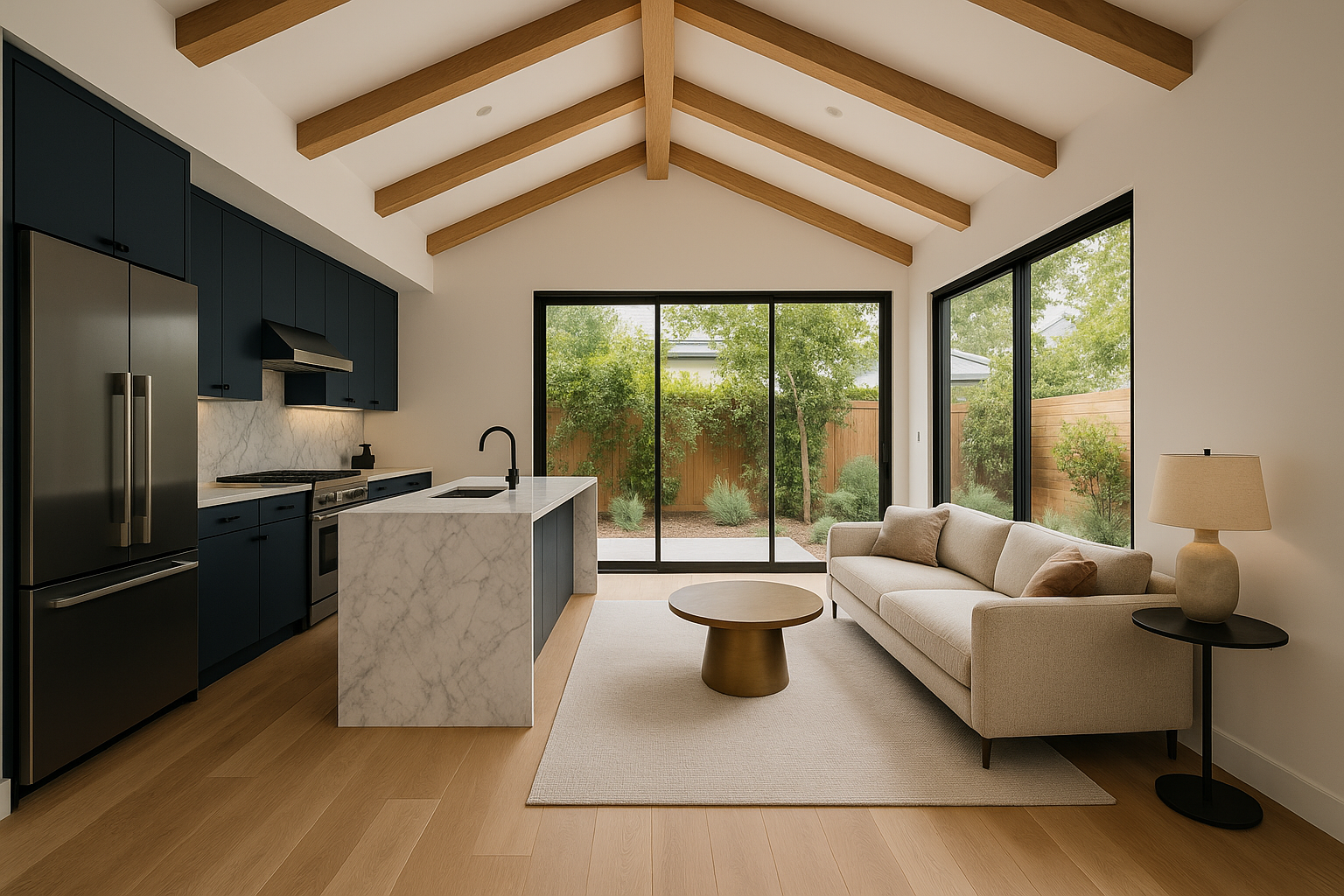
Experts recommend consulting the Los Angeles Zoning Code and California Senate Bill 9 (SB9), which allows for the construction of ADUs on qualifying lots. You can also work with Oria Builders to conduct a zoning analysis before proceeding.
Step 2: Create a Design Plan
Next, you’ll need detailed architectural plans that comply with the Los Angeles Building Code. These plans should include:
- Floor plans, elevations, and sections
- Site plans showing setbacks and lot coverage
- Structural and energy compliance calculations
Designing an ADU that meets all codes can be challenging, especially when integrating sustainable features like solar panels or energy-efficient materials. Oria Builders' design & as-built services streamline this process by creating permit-ready plans.
Step 3: Submit the Permit Application
Once your plans are complete, you’ll submit them to LADBS for review. Expect to provide several documents, including:
- Completed application forms
- Proof of property ownership
- Design plans and calculations
- Environmental clearances (if applicable)
The initial review typically takes 4–6 weeks, though timelines can vary based on project complexity. Industry data shows that hiring a contractor familiar with Los Angeles permits can reduce delays by up to 30%.
Step 4: Address Plan Check Corrections
After the initial review, LADBS may issue a correction notice outlining changes needed to meet code requirements. Common corrections involve setbacks, parking, or fire safety compliance. Addressing these promptly is critical to keeping your project on schedule.
By working with an experienced contractor like Oria Builders, you can navigate corrections efficiently. Our team ensures all revisions align with LADBS standards, expediting approval.
How Much Does the ADU Permit Process Cost in Los Angeles?
The cost of navigating the ADU permit process in Los Angeles typically ranges from $5,000 to $15,000, depending on factors like project size and location. This amount covers city fees, design services, and any required environmental studies. For instance, LADBS charges permit fees based on square footage, with rates starting at approximately $1.10 per sq ft.
Additional costs may include:
- Zoning clearance fees: $500–$2,000
- Plan check fees: $2,000–$5,000
- Impact fees: Waived for ADUs under 750 sq ft, but $4,000–$8,000 for larger units
Compared to other California cities, Los Angeles offers relatively streamlined ADU fee structures, thanks to state mandates aimed at reducing barriers to construction. However, homeowners in coastal areas like Pacific Palisades may face higher costs due to additional environmental reviews.
Financing Options for ADU Permits
Financing your ADU project can ease the upfront cost burden. Popular options include:
- Home equity loans: Borrow against your home's value.
- ADU-specific loans: Offered by banks partnering with California’s housing initiatives.
- Cash-out refinancing: Use equity to fund construction.
To explore your financing options or receive a detailed estimate, book a consultation with Oria Builders today.
What Are Common Challenges When Navigating the ADU Permit Process in Los Angeles?
Navigating the ADU Permit Process in Los Angeles: A Step-by-Step Guide is not without challenges, many of which stem from the city’s complex zoning laws and building requirements. Homeowners in Los Angeles face hurdles like navigating the Coastal Commission for properties in Venice or meeting strict fire safety standards in hillside neighborhoods like Beverly Hills.
Zoning and Setback Restrictions
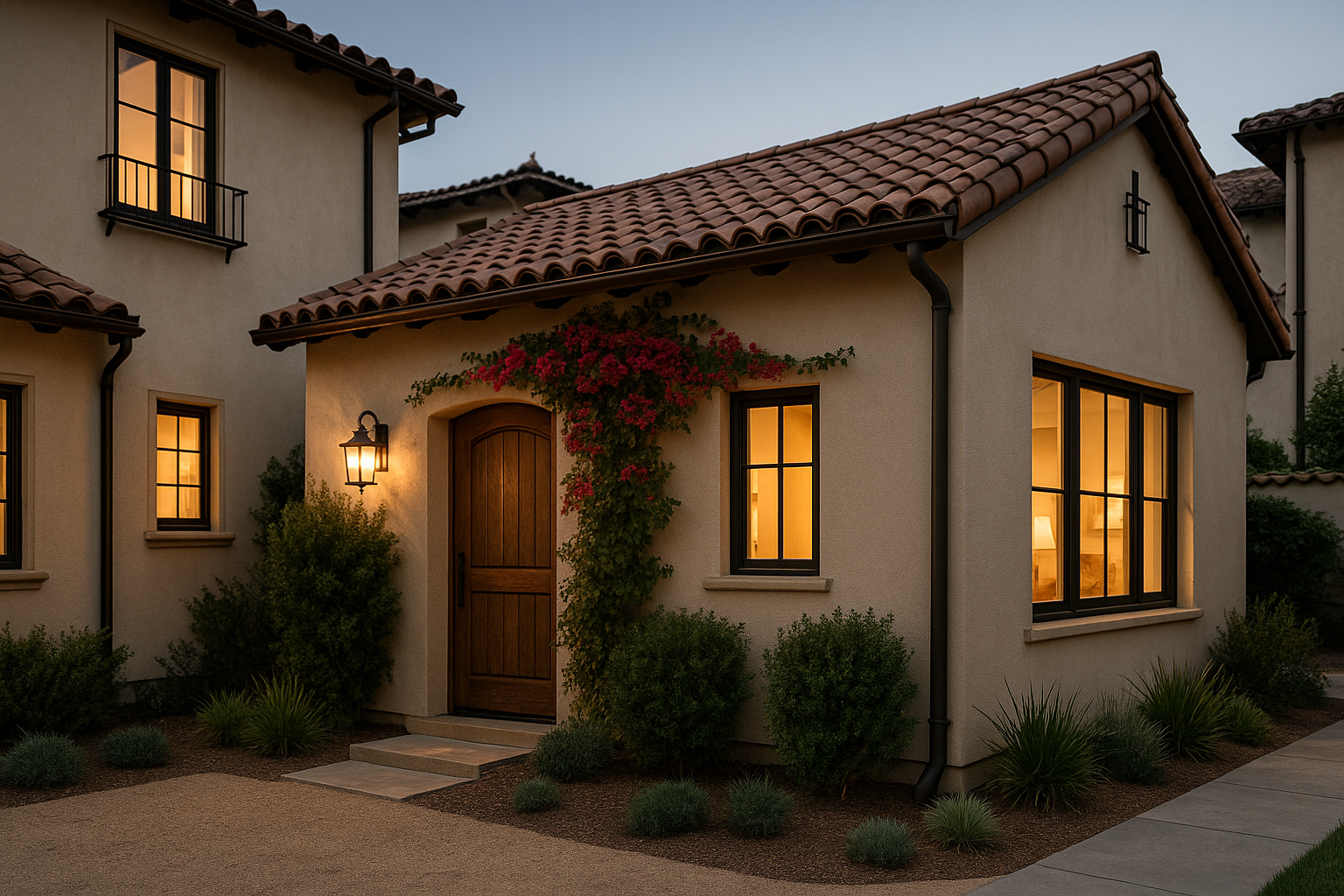
One major challenge is ensuring your ADU complies with zoning and setback requirements. For example, detached ADUs in Culver City must be at least 4 feet from property lines. Failing to account for these details can lead to costly redesigns.
Permit Delays
Another common issue is permit review delays, which can extend the timeline by weeks or even months. According to LADBS, incomplete applications are a leading cause of delays. To avoid this, experts recommend working with professionals familiar with Los Angeles building codes.
By addressing these challenges proactively, you can reduce stress and keep your project on track. Contact us for a free estimate today.
Frequently Asked Questions (To Be Continued in the Second Half...)
Stay tuned for the continuation of this guide, where we’ll address FAQs and provide even more insights into navigating the ADU permit process in Los Angeles!
What Are the Timelines for Navigating the ADU Permit Process in Los Angeles?
The timeline for navigating the ADU permit process in Los Angeles is defined as the estimated duration required to complete key stages such as design approval, permit issuance, and construction. Industry data shows that the permit process typically ranges from 2–6 months, depending on factors like project complexity and local building codes. The construction phase itself may add another 4–8 months, resulting in a total timeframe of 6–14 months.
Factors Affecting Timelines
- Design Complexity: A simple ADU model with fewer customizations can expedite approvals compared to intricate designs requiring multiple revisions.
- City-Specific Procedures: In Los Angeles County, cities like Culver City or Pasadena may have additional review stages versus smaller jurisdictions like Mar Vista or Burbank.
- Permit Backlogs: Southern California cities like Glendale and Pacific Palisades often experience higher permit application volumes, causing delays.
How to Reduce Delays
- Professional Guidance: Hiring an experienced contractor like Oria Builders ensures compliance with local regulations and streamlines the submission process.
- Pre-Approval Programs: Research shows that utilizing pre-approved plans can cut permitting time by up to 30%.
- Early Zoning Checks: Ensuring your property meets zoning rules in Brentwood or Venice before submitting plans saves valuable time.
Timelines may vary, but proper preparation and expert assistance can significantly shorten the process. To discuss your ADU project, book a consultation today.
What Is the ROI for ADUs in Los Angeles?
The ROI (Return on Investment) for ADUs in Los Angeles is defined as the financial gains homeowners achieve through increased property value, rental income, or reduced housing costs. Studies show that ADUs can yield an annual rental income of $20,000–$50,000 and boost property values by 20–30%.
Economic Benefits of ADUs
- Rental Income: According to industry data, renting an ADU in high-demand areas like Pacific Palisades or Venice can generate $2,000–$4,000 per month.
- Property Value Increase: Adding an ADU typically raises home values by $100,000–$200,000, depending on size and location.
- Cost-Effective Housing: For multi-generational families, ADUs offer a lower-cost alternative to separate housing units.
Comparing ROI Across Neighborhoods
- High-End Markets: ROI in Beverly Hills or Brentwood often skews higher compared to Mar Vista or Glendale due to rental demand and property appreciation.
- Long-Term Value: Research shows that well-built ADUs maintain a high ROI over time, particularly in urban hubs like Pasadena and Culver City.
Investing in an ADU is a strategic move for Southern California homeowners seeking to maximize their property’s potential. For tailored advice, book a consultation with Oria Builders.
What Are the Best Practices for Navigating the ADU Permit Process in Los Angeles?
Best practices for navigating the ADU permit process in Los Angeles refer to proven strategies that ensure efficiency, compliance, and success throughout the project. Experts recommend thorough planning, professional oversight, and proactive communication for optimal results.
Planning and Preparation
- Understand Building Codes: Familiarize yourself with LA County regulations to avoid costly setbacks.
- Budget Realistically: ADU costs typically range from $150,000–$300,000 depending on size (400–1,200 sq ft) and materials.
- Hire Professionals: Industry research shows that working with licensed contractors like Oria Builders reduces permitting errors.
Managing the Process
- Communicate Early: Engage with city officials in Pasadena or Culver City to address concerns before formal submission.
- Track Milestones: Regularly monitor progress during both permitting and construction phases.
- Adapt to Feedback: Be open to revising plans based on city or neighborhood requirements in areas like Glendale and Burbank.
By following these best practices, homeowners in Southern California can ensure a smoother experience and successful ADU completion. Ready to start? Book a consultation today.
How Do You Get Started with Navigating the ADU Permit Process in Los Angeles: A Step-by-Step Guide?
Getting started with navigating the ADU permit process in Los Angeles is defined as taking initial actions and following a structured plan to ensure a successful project. Follow these six steps:
Assess Feasibility
Determine if your property meets zoning and size requirements. For example, LA County mandates minimum lot sizes and setbacks. Research local regulations in areas like Brentwood or Mar Vista for specifics.Define Your Budget
Set a realistic budget based on local cost averages. ADU construction typically ranges from $150–$300 per square foot, depending on location and materials.Hire a Professional
Work with licensed contractors like Oria Builders who are familiar with Los Angeles permitting rules and building codes.Create a Detailed Design
Develop plans that meet city guidelines and optimize space. Pre-approved designs in cities like Culver City or Venice can expedite the process.Submit Permit Applications
File your application with the appropriate city or county office. For properties in Southern California, expect to submit zoning, utility, and construction plans.Start Construction
Once permits are approved, begin building your ADU. Construction timelines typically range from 4–8 months depending on complexity.
Taking these steps ensures a clear path to ADU completion. To learn more, book a consultation with Oria Builders today.
Frequently Asked Questions
How long does ADU permitting take in Los Angeles?
ADU permitting in Los Angeles typically takes 2–6 months, depending on design complexity and local regulations. Cities like Culver City or Glendale may have longer timelines due to higher permit volumes.
What is the average cost of building an ADU in LA County?
The average cost of building an ADU in LA County ranges from $150,000–$300,000, depending on size and finishes. Costs per square foot typically range from $150–$300.
Can I build an ADU in all parts of Southern California?
Yes, ADUs are allowed across Southern California, but zoning rules vary. Cities like Pasadena and Brentwood may have stricter guidelines compared to less dense areas like Mar Vista or Burbank.
Do ADUs add value to my property?
Yes, studies show that ADUs increase property values by 20–30%. In areas like Pacific Palisades or Beverly Hills, the value increase can be even higher due to local demand.
What types of ADUs can I build in Los Angeles?
Los Angeles permits various ADU types, including detached units, garage conversions, and above-garage builds. Local regulations dictate the specific options for each property.
Is financing available for ADU construction?
Yes, financing options include personal loans, home equity loans, and specialized ADU funding programs. Research shows that ADU loans typically offer competitive rates.
How much rental income can an ADU generate in LA?
Rental income from an ADU in LA typically ranges from $2,000–$4,000 per month. Locations like Venice and Pacific Palisades often yield higher rental rates.
Do I need an architect for my ADU project?
While not always required, hiring an architect ensures compliance with building codes and optimizes design. Complex projects in Culver City or Glendale benefit greatly from professional architectural input.
Ready to Start Your ADU Project?
Navigating the ADU Permit Process in Los Angeles: A Step-by-Step Guide can seem daunting, but with the right expertise, it becomes manageable and rewarding. From planning to construction, Oria Builders is here to assist every step of the way. For personalized advice and accurate cost estimates, request a free estimate or book a consultation with our team today.
Ready to start your Kitchen Remodeling project in Los Angeles? Get a free consultation with Oria Builders, or try our instant cost estimator to see what your project might cost. Learn more about our Kitchen Remodeling services.
Frequently Asked Questions
What is an ADU?
An ADU, or Accessory Dwelling Unit, is a secondary housing unit built on the same lot as a primary residence. It can be used as a rental unit or additional living space.
Do I need a permit to build an ADU in Los Angeles?
Yes, you need a permit to build an ADU in Los Angeles. The process involves submitting plans, obtaining approvals, and meeting zoning requirements.
How long does it take to get an ADU permit in Los Angeles?
The timeline for obtaining an ADU permit can vary, but it typically takes several weeks to a few months, depending on the complexity of the project and city approvals.
What are the zoning requirements for ADUs in Los Angeles?
Zoning requirements for ADUs in Los Angeles include property size, setbacks, and parking regulations. It's crucial to check with the city's zoning code to ensure compliance.
Can I convert my garage into an ADU?
Yes, garage conversions are a popular way to create an ADU in Los Angeles. You'll need to meet building codes and obtain the necessary permits.
Are there financial incentives for building an ADU in Los Angeles?
Some programs and grants may offer financial incentives for ADU construction, especially if the unit is used for affordable housing. Check with local agencies for current opportunities.
What documents are required for an ADU permit application?
Typical documents include architectural plans, site plans, structural calculations, and energy compliance forms. Consult with a professional to ensure your application is complete.
Can I build an ADU if my property is in a historic preservation zone?
Building an ADU in a historic preservation zone may have additional restrictions. Consult with the Los Angeles Department of City Planning for guidance.